KULT Drive · Updated
Electric vans are growing: comparing electric and diesel delivery in the UAE
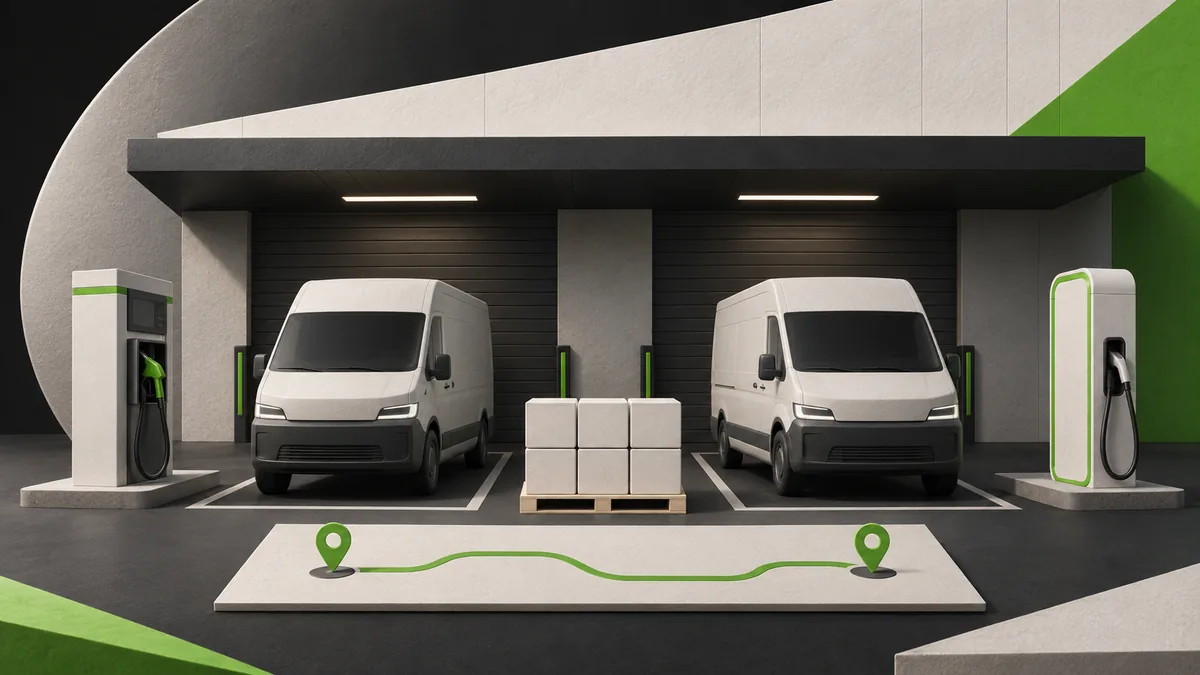
Compare an electric van with a diesel on a specific working route. Alongside energy costs, consider payload, charging time, a backup vehicle and the cost of downtime.
What happened in the UK market
On 5 November 2026, SMMT reported that October registrations of electric commercial vehicles rose 58% to 3,369. That figure includes 588 vehicles with a permissible gross vehicle weight above 3.5 and up to 4.25 tonnes. It therefore cannot simply be divided by the published total van-market volume covering only vehicles up to 3.5 tonnes without explaining the difference.
The news shows the segment’s development, but concerns the UK. Its figures are neither UAE demand statistics nor a profitability forecast for electric delivery in the UAE.
Describe the work before choosing the powertrain
A comparison needs the daily route, number of stops, cargo weight and volume, parking time and return-to-base requirements. Two vehicles of the same size may serve entirely different purposes.
An urban delivery operation with predictable overnight parking should be assessed separately from inter-emirate journeys with a variable schedule. The decision should not rest on the technology’s name alone.
Which costs to include per kilometre
Start with the vehicle’s depreciation over the ownership period. Add insurance, servicing, tyres, electricity or fuel, infrastructure and financing if used.
Account separately for the cost of time when the vehicle is unavailable. That may mean hiring a replacement, paying an additional driver or losing productivity. Take these figures from your own operation, not a generic promotional calculator.
Checking payload
Compare the permissible figures for the exact versions in the manufacturer’s documents. Cargo-compartment volume and permitted load weight are different constraints. Also check how fitting equipment affects the remaining working capacity.
Before buying, a test with a typical load and route, agreed with the seller, is useful. It helps you ask more precise questions than a short drive in an empty van around the showroom.
Running a fleet pilot
You do not have to replace the entire fleet at once. One approach is to choose a clearly defined task, set metrics before the test begins and compare the result with the current vehicle.
Record completed trips, costs, downtime and the reasons for deviations. Our view: an electric van can suit a particular job well, but its economic case must be demonstrated by operational data. Growth in a foreign market is a reason to do the calculation, not a ready-made justification for purchasing.
Questions and answers
Can vans be compared only by fuel and charging costs?
No. Include depreciation, insurance, servicing, infrastructure and the cost of vehicle unavailability.
Do the UK’s 3,369 electric LCVs all belong to the category up to 3.5 tonnes?
No. The figure includes 588 vehicles above 3.5 and up to 4.25 tonnes.
Next step
Discuss an audit of your fleet’s costs, technical readiness and processes with KULT EGO.
Sources
- SMMT — Best ever October for new electric vans. Published: 2026-11-05.