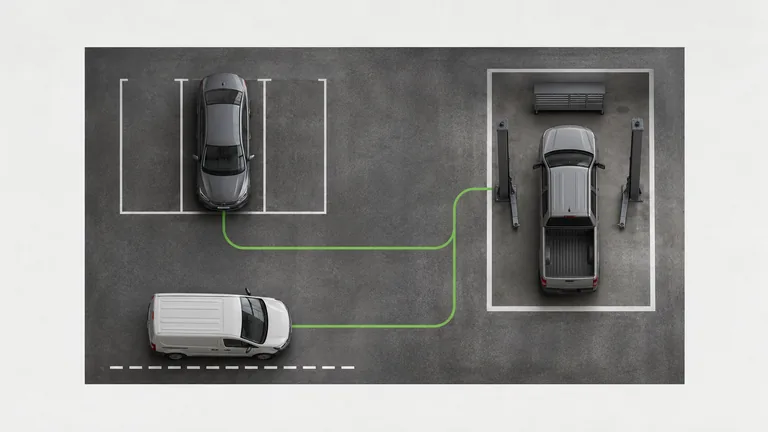
Fleet economics depend on utilisation, depreciation, fuel, paperwork and downtime as well as workshop invoices. Start with one reliable vehicle register and comparable measures for each type of work.
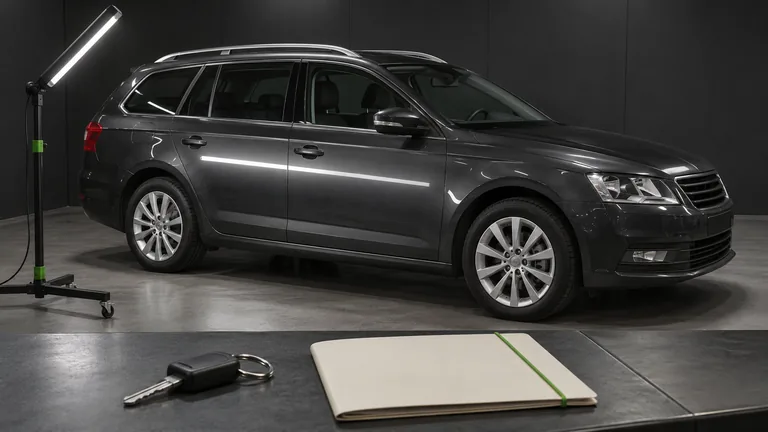
Prepare the documents and car first, then choose between a private sale, a direct dealer purchase and trade-in. Compare net proceeds, timing and seller obligations, and coordinate payment with the official ownership transfer.
Warranty cover depends on more than age and mileage: manufacturer terms, original market, history and service territory also matter. Confirm local support for an imported car in writing by VIN before buying.
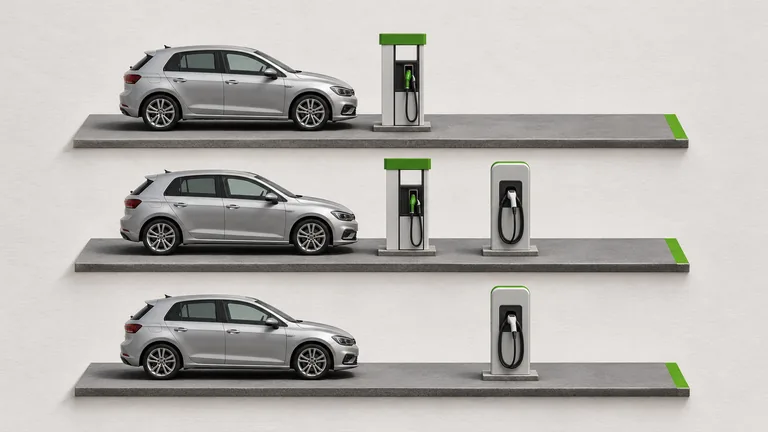
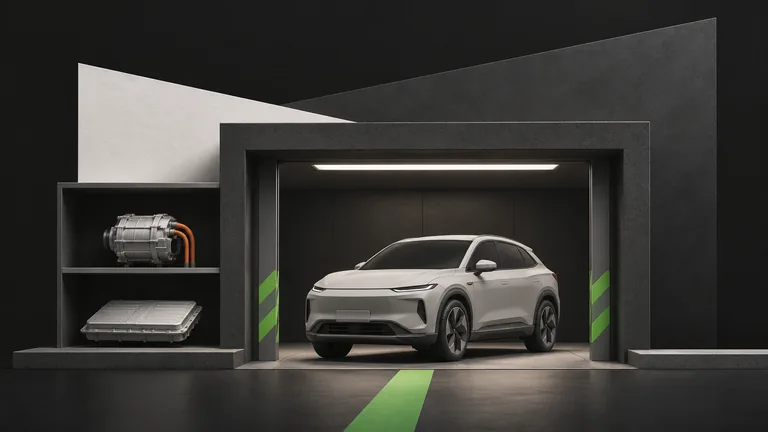
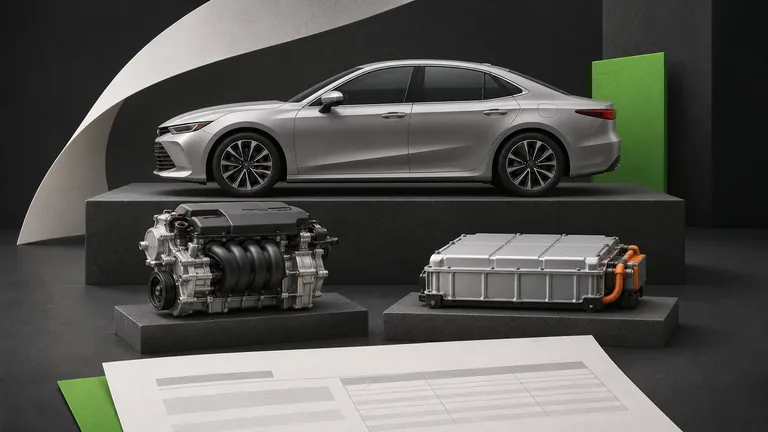
Start with your routes and charging access. A conventional hybrid, a PHEV and a fully electric car suit different uses; grouping them as “electrified” vehicles is not helpful when calculating costs.
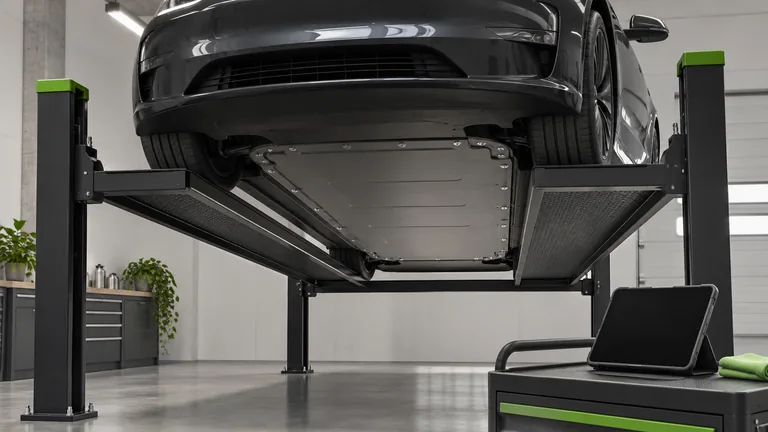
Do not assess a used EV solely by the range on its screen. Check the car’s history, battery and system diagnostics, charging, warranty terms and transfer of digital access to the new owner.
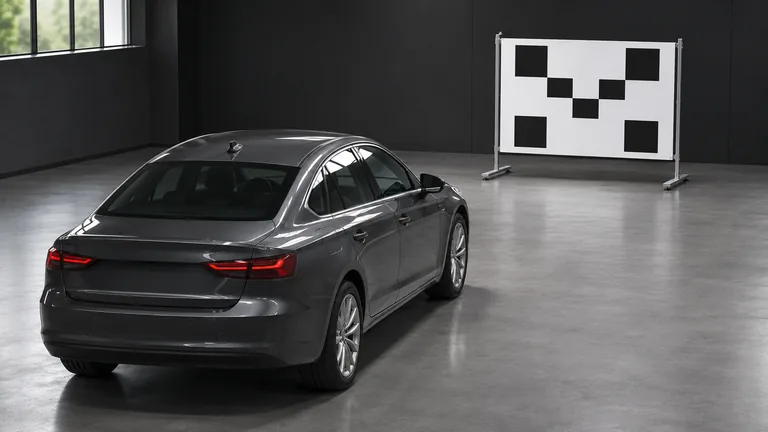
Work affecting camera or radar position, or vehicle geometry, may require ADAS calibration. The specific vehicle manufacturer determines whether it is needed and how it is done; an absence of dashboard warnings does not prove the procedure was completed.
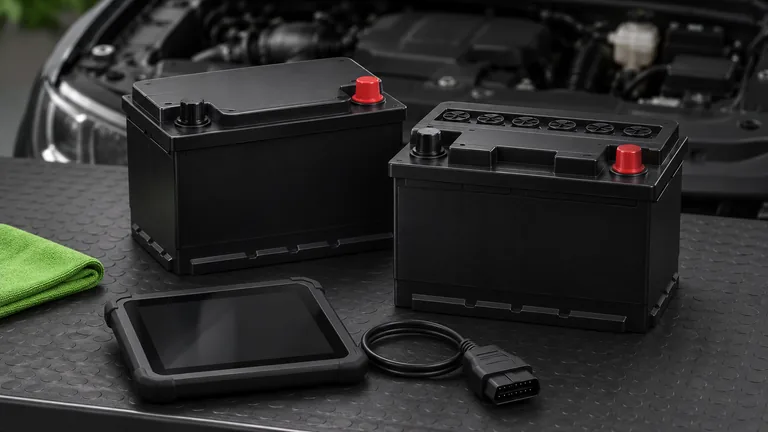
Before replacing a battery, confirm the cause of the fault and select the right type and specifications. Some cars require the new battery to be registered with their management system; this is not a universal procedure for every vehicle.
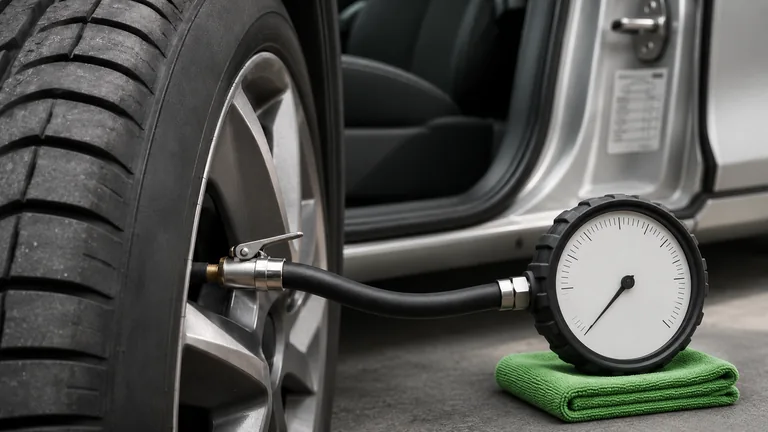
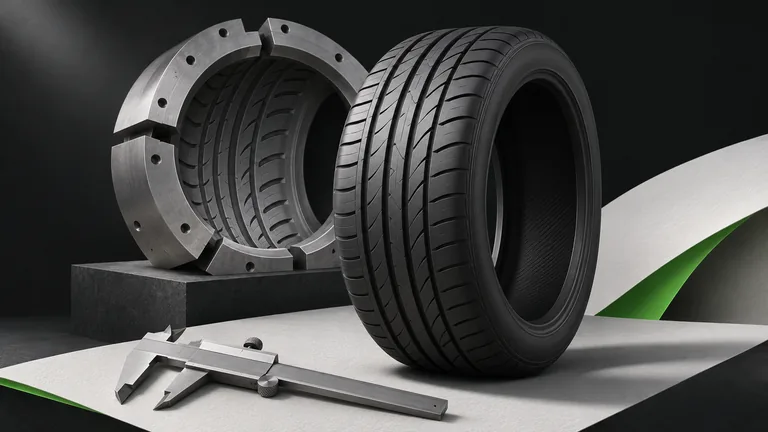
Choose tyres by approved size, load and speed ratings, condition and vehicle requirements. Use the car maker’s pressure figures and specified checking conditions, rather than treating the maximum on the sidewall as the working pressure.
In a hot climate, oil that meets factory specifications and a working cooling system matter. Higher viscosity, a random coolant or routinely topping up with water is not a universal solution for every car.
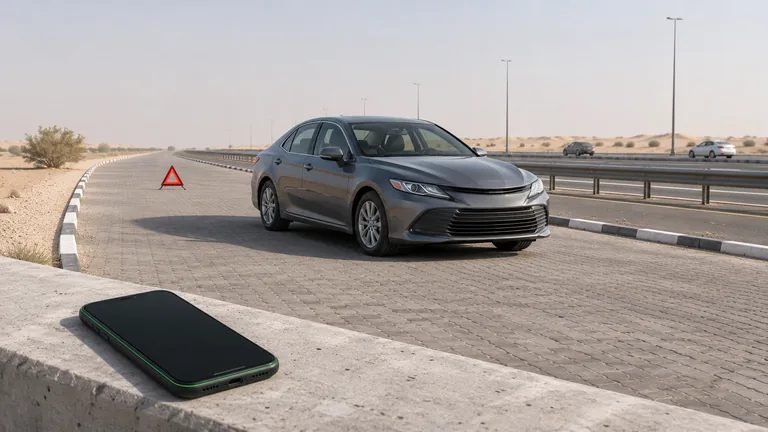
Put safety first and call for emergency help if anyone is injured or there is a threat. Then follow police and insurer instructions, record the circumstances and avoid unapproved repairs that could affect the claim process.
Drivers must follow the posted speed limit and road conditions. An assumed camera-trigger threshold is not permission to speed, and enforcement arrangements differ between emirates and road sections.
Parking payment applies to a specific zone, number plate and period. A subscription, free Sunday or overnight parking permit does not automatically cover private facilities, multi-storey car parks or every city zone.
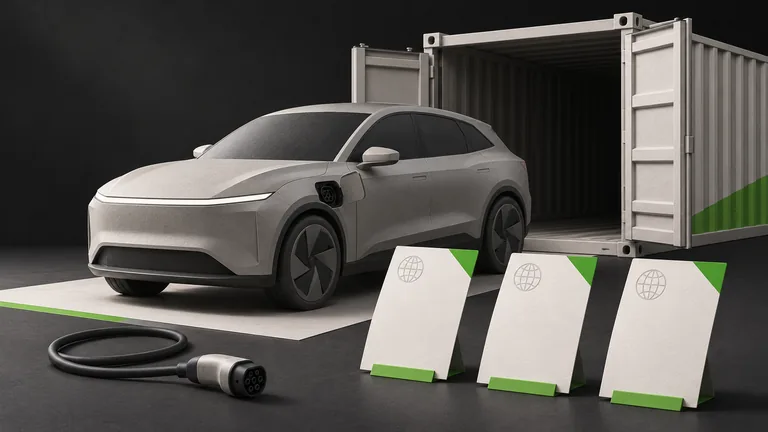
For an EV built for China’s domestic market, check charging compatibility, the app, updates, warranty and servicing by VIN. A similar appearance to an official UAE model does not mean identical digital and technical capabilities.
A Japanese auction sheet describes a car at a particular sale, not its condition for life. Verify its origin, lot number, date and vehicle identifier, then compare it with a current inspection.
For a car from Korea, check insurance history, the mileage timeline, previous use and actual equipment. A Korean report is useful, but does not record every repair or replace an independent inspection.
American specification alone says nothing about a car’s condition. Base your decision on its origin documents, previous damage, repair quality, local registration and verified support for the vehicle.
Assess flood risk through the combined evidence of history, signs of water and technical measurements. The absence of smells, dashboard warnings or report entries does not prove that a car has never been submerged.
A VIN connects a car to its documents and available history, but no single report covers every country and repair. Use sources from the original market, local documents and an independent condition inspection.
The right service plan depends on the exact model’s manual, elapsed time, mileage and driving conditions. One interval cannot fit every car in the UAE: extra checks and shorter intervals should follow manufacturer requirements and actual use.
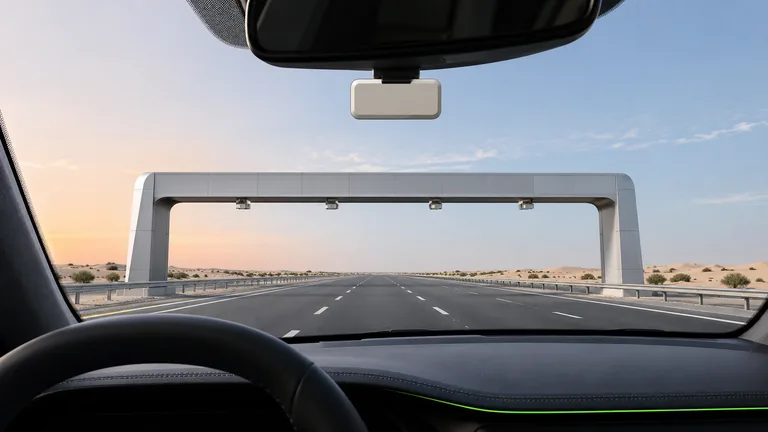
Check the rules for each DARB gate. Al Qurm and Ghantoot charge AED 4 around the clock, while the four earlier gates follow peak-hour schedules. “Everything is free at night and on Sundays” is not true across the whole system.
After buying, check that the car and Salik are registered to the correct user, contact details are current and the balance is monitored. Dubai uses variable pricing: the charge depends on the time and calendar, rather than always being one fixed amount.
After handover, check registration and insurance, set up toll accounts, remove the previous owner’s access and establish a maintenance baseline. Even a car in good condition needs to be set up for its new owner.
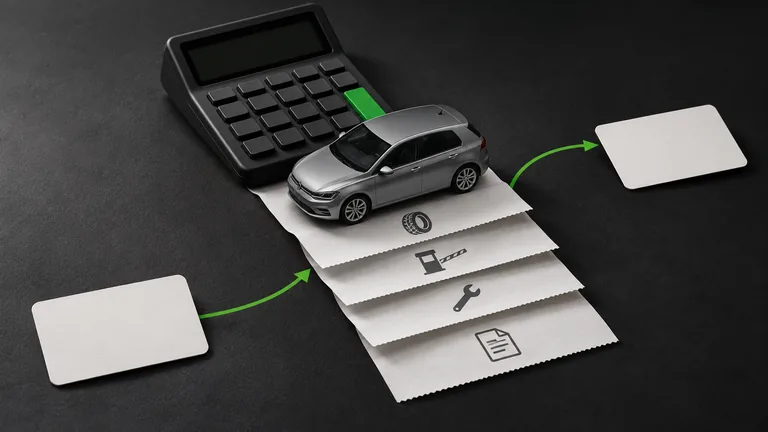
Total ownership cost includes depreciation, financing, paperwork, insurance, maintenance and use. A monthly payment shows cash flow, but it does not replace a full cost calculation.
A cheap policy may not provide the protection you need. Compare third-party liability, cover for your own car, the excess, repair rules, permitted drivers and vehicle use, rather than the premium alone.
A car transfer is completed through registration in the new owner’s name, not simply by signing a receipt. Before payment, agree on documents, removal of restrictions, insurance, any required test and how money and the car will change hands together.
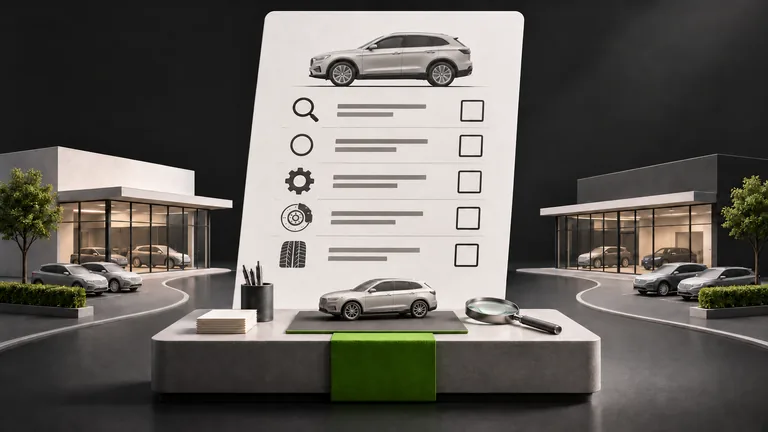
The RTA test supports registration and checks roadworthiness. A pre-purchase inspection helps a buyer assess condition, previous repairs and likely costs. Passing the RTA test is not a promise that the car will remain fault-free.
GCC describes a regional specification, not the country of manufacture or a guarantee of good condition. A non-GCC car comes from another market. Base your choice on the VIN, equipment, history, local support and total ownership cost.
Before the first Rent to Own payment, understand the total cost, what the payment covers, the terms of use and exactly how ownership will transfer. Advertising a “buyout” does not replace the contract’s terms.
Compare ways to get a car by total payments, included expenses, when ownership transfers and the terms for leaving the agreement. The same monthly payment can conceal very different obligations.
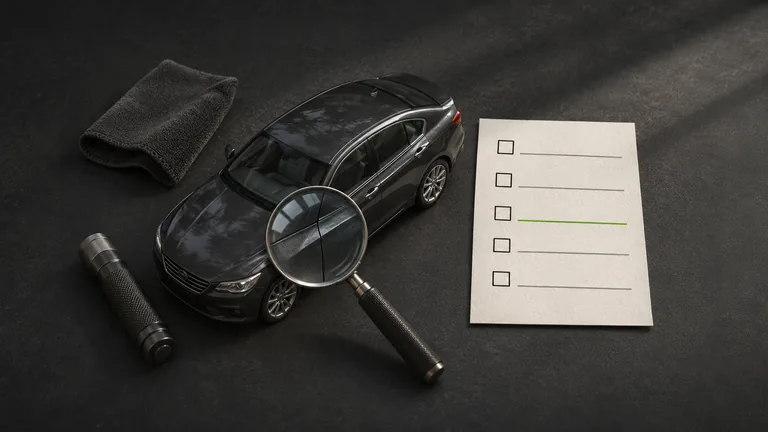
A safe purchase starts with checking the seller, the car’s history and its condition, before negotiating. Work out the full first-year cost, arrange an independent inspection and coordinate payment with the official transfer of ownership.
RTA is developing Mahboub from answering questions to completing transactions. Check support for a specific corporate account and service in the official interface, without sharing passwords or codes with third-party bots.
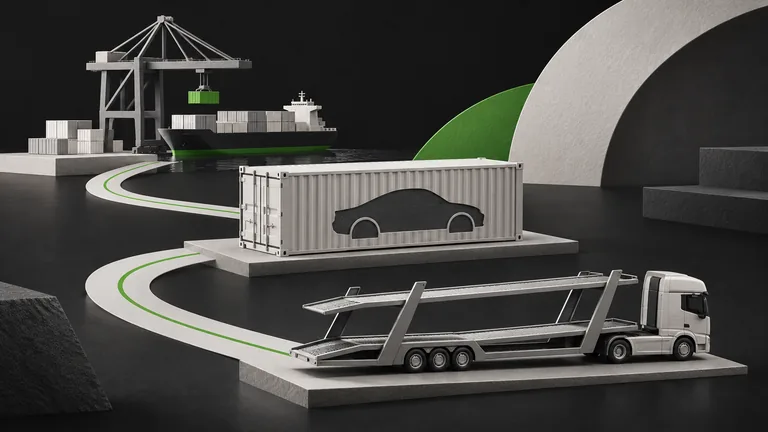
A Khor Fakkan route can be part of an import plan, but ocean freight is not the car’s total Dubai cost. Acceptance of the specific cargo, schedules and inland expenses need separate confirmation.
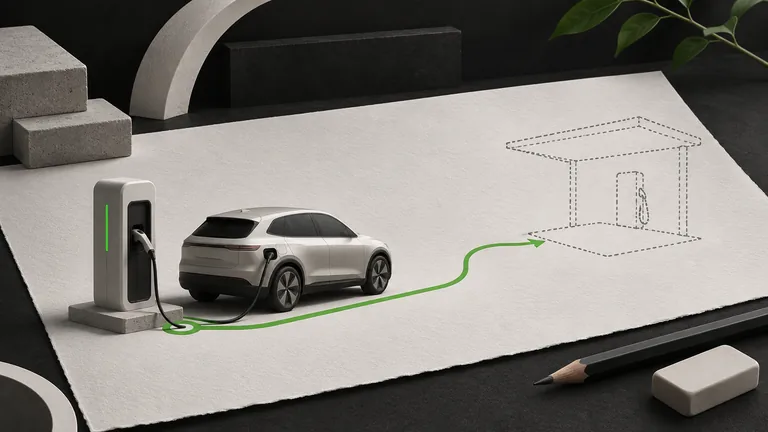
A charging-infrastructure agreement does not mean every station is already operating. Before buying an EV, rely on currently available locations and a verified daily charging plan.
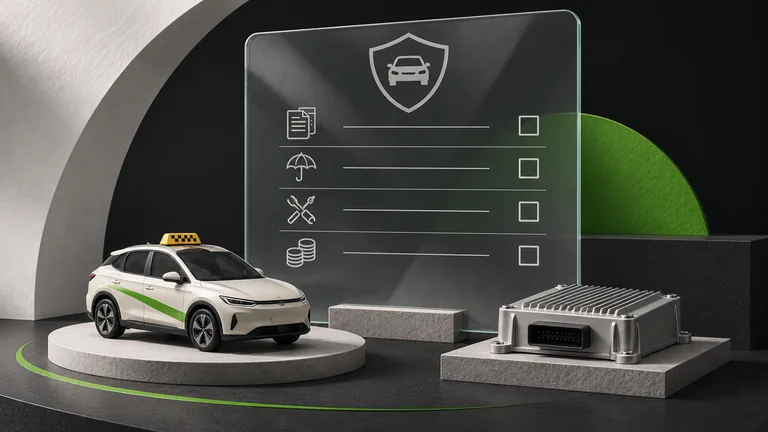
WeRide’s programme shows that transport-business risks extend beyond ordinary vehicle damage. But it is a specialist partnership, not a ready-made policy for every UAE owner or rental company.
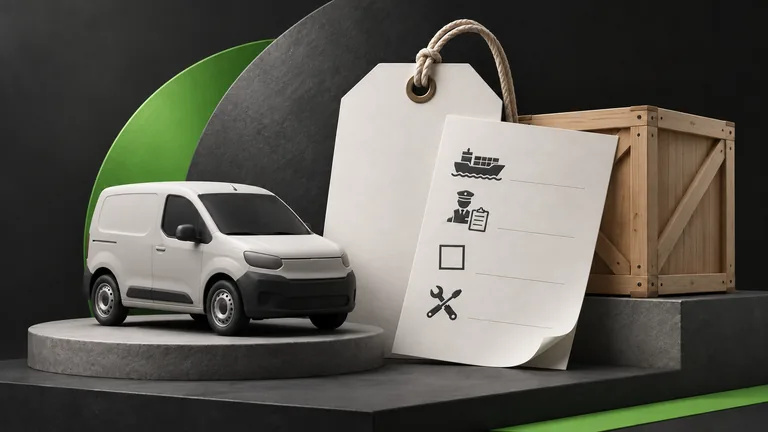
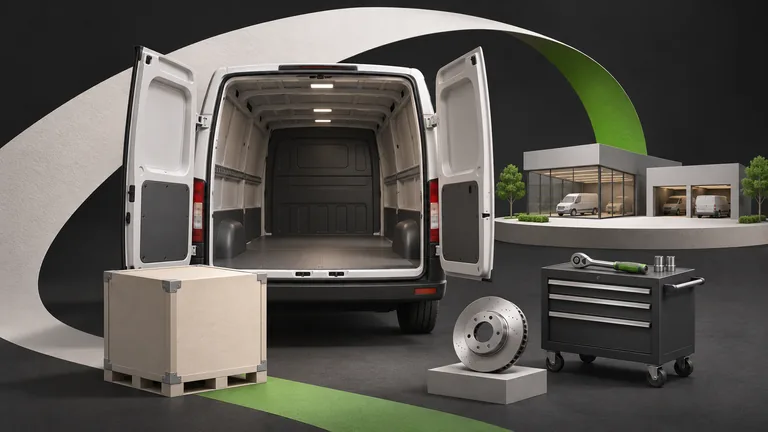
The €16,900 starting price concerns a diesel van offer in Portugal, excluding VAT. It is not a UAE vehicle price and does not automatically include import or local operating costs.
A show concept demonstrates an engineering idea, but does not confirm production availability or the road suitability of every modification. A personal project should begin with its purpose and operating requirements.
Porsche’s new multimedia architecture applies to certain new vehicles and specifications. The announcement does not mean every existing Porsche will gain every feature through a normal update.
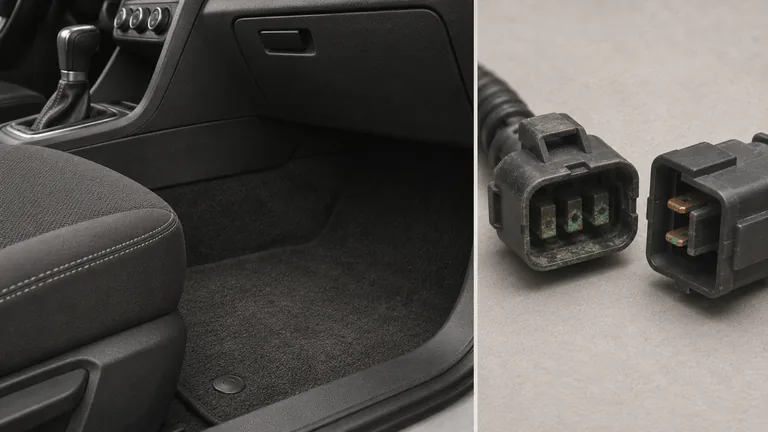
A modern car needs more than a driving and appearance check. Electronic functions, fault codes and records of completed work should be a separate part of a pre-purchase inspection.
A manufacturer’s planned cuts do not prove that a particular part is scarce in Dubai. Check critical part numbers, lead times, confirmed stock and suitable alternatives.
Combining manufacturers does not make parts and service procedures immediately interchangeable. Commercial-vehicle owners need support for their specific VIN and clarity on existing contractual obligations.
A fleet operator’s value is not limited to owning vehicles. It can lie in making sure a car is clean, roadworthy, charged and available for work when needed.
Compare an electric van with a diesel on a specific working route. Alongside energy costs, consider payload, charging time, a backup vehicle and the cost of downtime.
EVs reached 32% of UK registrations in October, but that is not a UAE forecast. Dubai buyers should focus on charging access, battery condition and total ownership cost.
High deliveries show a manufacturer’s scale, but do not guarantee local resale demand or parts availability. Assess a new brand through the specific model, support and total ownership cost.
BYD’s international scale increases interest in the brand, but does not make every car the same. UAE buyers need to check the original market, warranty and support for the individual vehicle.
Personalisation helps manufacturers increase revenue, but does not guarantee buyers will recover the cost of options when selling. Separate the personal value of a specification from its appeal on the resale market.
Lower manufacturer profitability does not automatically mean lower dealer prices. When buying a BMW in the UAE, compare actual offers, equipment, production date and the full transaction cost.
Volvo’s figures show BEVs and plug-in hybrids moving in different directions. Buyers should not combine them into one category or apply global results directly to the UAE market.
Toyota’s financial results show the resilience of its strategy, but do not prove that every hybrid suits every buyer financially. A Dubai purchase should be linked to mileage, condition and total ownership cost.
A growing dealer network makes a brand easier to explore, but showroom numbers do not reveal repair times or parts availability. Assess a new car brand across the whole ownership experience.
The Porsche 911 Turbo S Sadu Edition is a limited series for Kuwait. A display in Dubai does not mean local sales, and a small production run alone does not guarantee a resale profit.
Sailun’s new site in Egypt has produced its first tyre, but commercial operation is planned for early 2027. That does not yet mean new local prices or availability of the required sizes for UAE buyers.
Tesla’s recruitment in Muscat confirms preparations for a market presence, but not an opening date, prices or cross-border warranty cover. Owners of UAE cars need to check those terms separately.
Mercedes-Benz presented the updated S-Class and Mercedes-Maybach S-Class at a regional event in Abu Dhabi. Buyers need to match the features shown at the presentation to the equipment and support of a specific car in the UAE.
Jeep presented an updated Grand Cherokee for the GCC with the 2.0 Hurricane 4 Turbo engine. Smaller displacement alone proves neither economy in your conditions nor poor reliability: the decision requires local specifications and ownership terms.
Automechanika Dubai 2026 will run on 10–12 November at Dubai Exhibition Centre, Expo City Dubai. For workshop owners, its value lies in testing equipment against their own tasks, implementation costs and local support, not just a stand discount.
ARMotors announced a storage service for expensive cars in Dubai. When choosing such a service, compare not just the premises and price, but also acceptance procedures, technical checks, access and responsibility for the car.
Jameel Motors announced exclusive KYC distribution in the UAE, with four commercial models planned for H1 2027. The announcement used here gives no local prices or detailed support terms; judging value is premature until these are confirmed.
SHIFT reports a fleet of more than 13,000 vehicles and over 700 corporate customers. The story shows that rental operators compete on support, handover and vehicle operations as well as models and monthly rates.
Cars24 and Alba Cars have announced the combination of their UAE operations. Buyers should compare the transaction process, vehicle checks and warranty terms, without assuming that every car from a large seller has automatically been thoroughly checked.
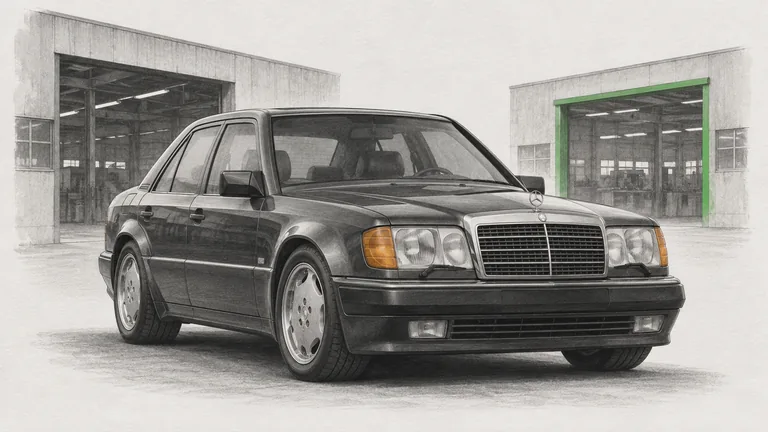
The Mercedes-Benz 500 E was developed with Porsche’s involvement under a Daimler-Benz commission. Combining the W124 body with a five-litre V8 required comprehensive engineering and a special production process, not just fitting an engine.
The Land Cruiser story begins with the Toyota BJ of 1951; the 40 series arrived in 1960. This is a family of working off-roaders with different bodies and engines, not one unchanging FJ40 for every market.
The Lancia Stratos became one of the clearest examples of a car developed around rallying. Its historic achievements include three consecutive World Rally Championship manufacturers’ titles, from 1974 to 1976.
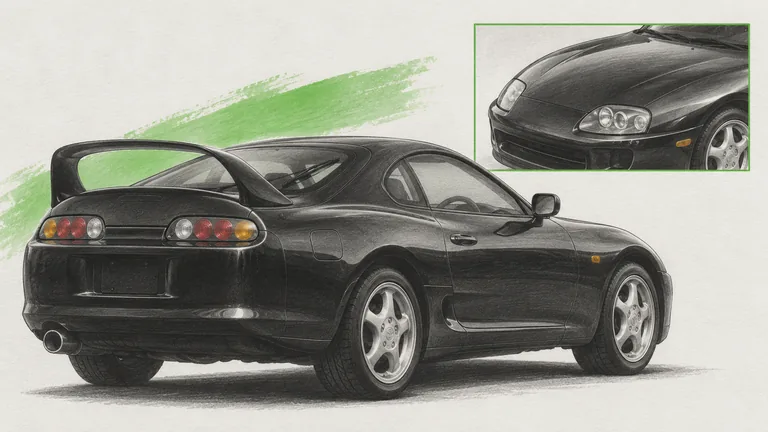
The Toyota Supra A80 arrived in 1993 in different versions, including the naturally aspirated 2JZ-GE and turbocharged 2JZ-GTE. The reputation of high-powered tuning projects does not mean every production car shared their engineering or performance.
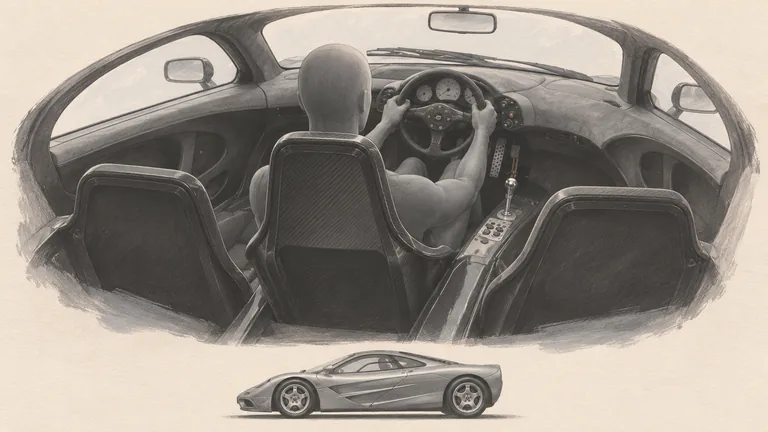
The McLaren F1 is known not only for speed but for its unusual layout: the driver sits centrally, with two passengers to either side and slightly behind. The road-car concept led to a racing version that won Le Mans in 1995.
The Mazda MX-5 was developed around lightness and the connection between driver and car, not maximum power. The first car was shown in Chicago in February 1989. Mazda describes its concept as Jinba Ittai: horse and rider as one.
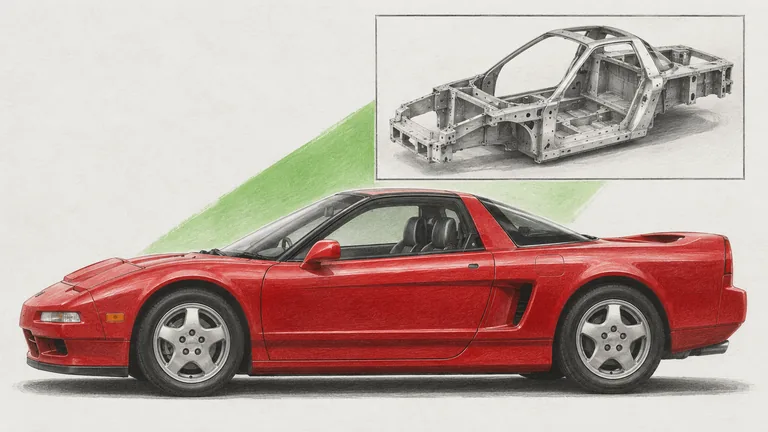
The first Honda NSX arrived in 1990 after years of development. It combined a mid-engine layout with aluminium construction. Ayrton Senna’s involvement was an important testing episode, but did not replace the work of the whole engineering team.
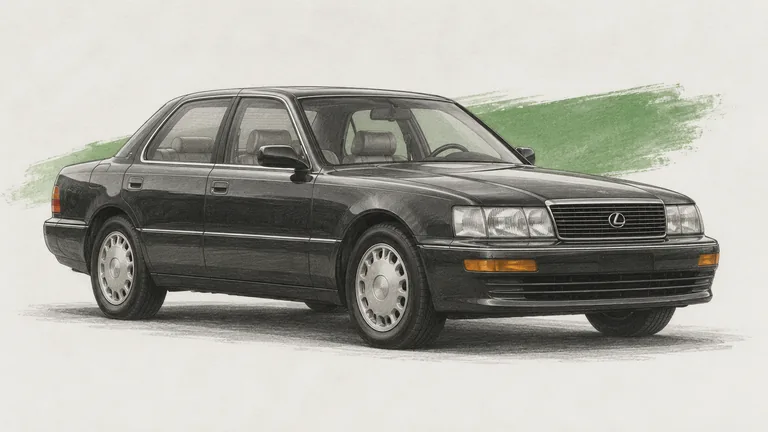
The Lexus LS 400 was the key car in Lexus’s 1989 launch. Toyota was creating not just a new large saloon, but a distinct offering for premium-car buyers, including sales organisation and quality control.
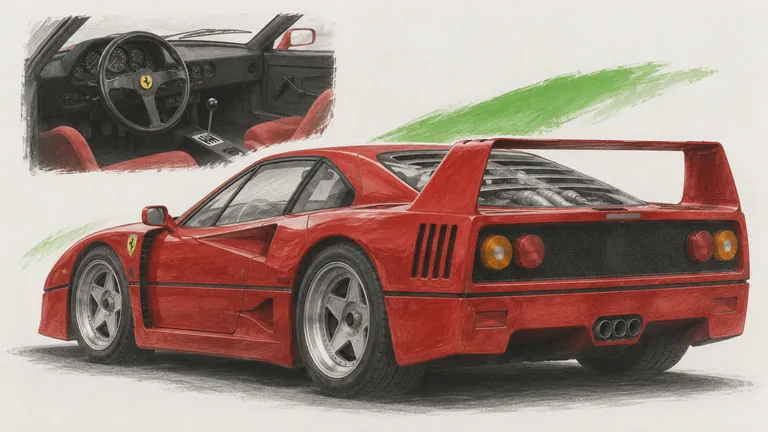
Ferrari introduced the F40 in 1987 for its fortieth anniversary. Its concept focused on a sporting objective and stripping away excess, rather than the conventional idea of luxury in an expensive road car.
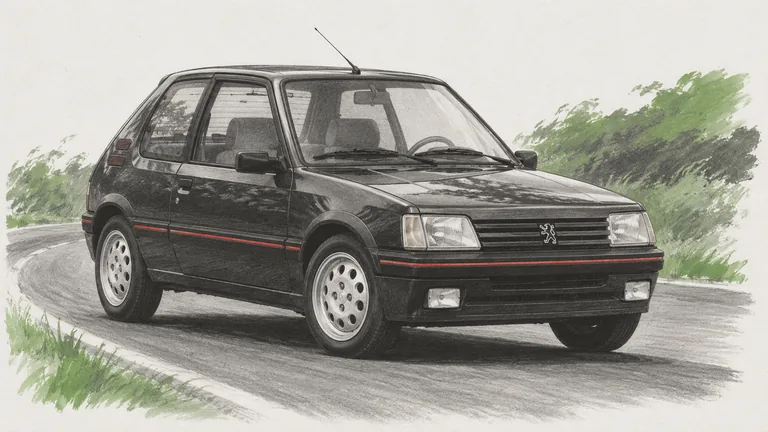
The Peugeot 205 GTi became a symbol of the lightweight sporting hatchback, where the experience comes from weight, dimensions and tuning rather than record power. It must not be confused with the technically separate 205 Turbo 16 rally car.
The Mercedes-Benz G arrived in 1979 as a versatile off-roader with extensive working capabilities. Its modern status developed over a long period; it was not the project’s sole original objective.
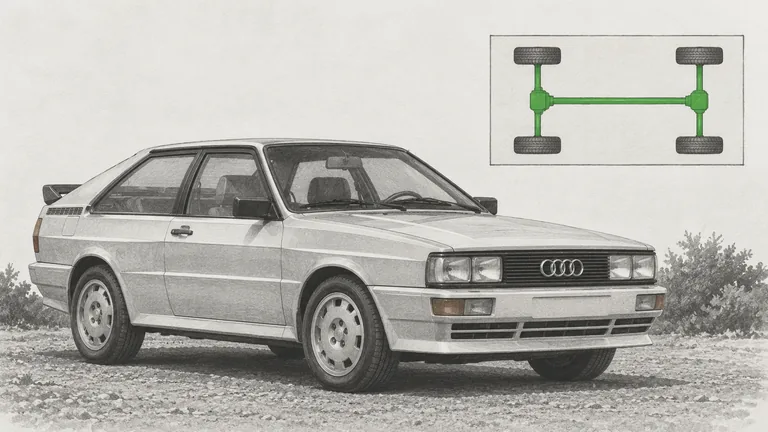
Audi quattro made all-wheel drive an important part of a high-performance road and rally car. Its significance lies not in inventing every 4×4 system, but in successfully applying the idea in a new sporting setting.
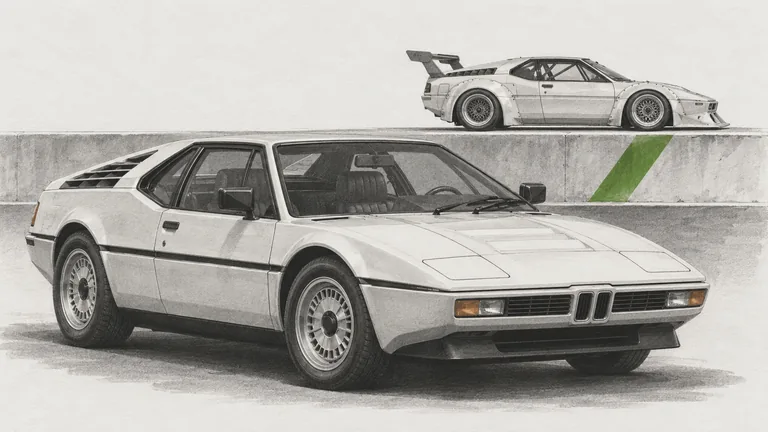
The BMW M1 debuted in 1978 as a mid-engined sports car. Difficulties preparing its racing programme led to the separate Procar series, where famous drivers and other racers competed in identical M1s.
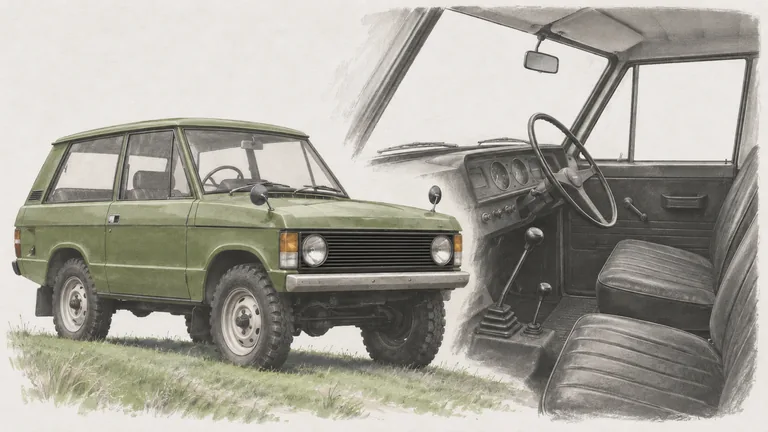
The first Range Rover combined off-road ability with comfort on road journeys. Launched in 1970 with two doors, it evolved gradually, so the image of the later luxury SUV cannot be applied fully to the early car.
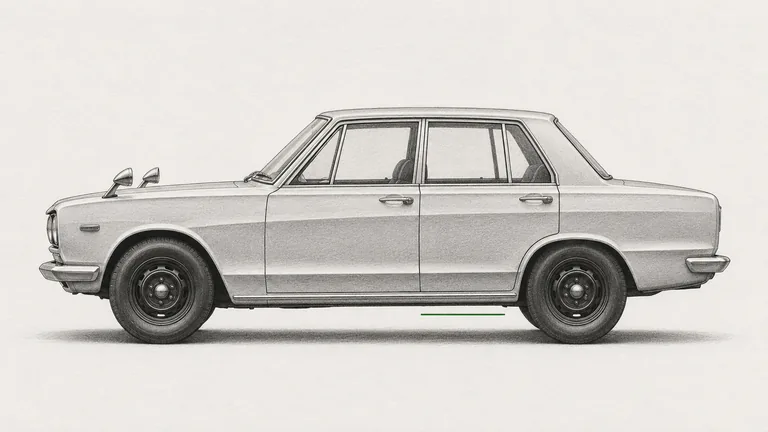
The first Skyline GT-R of 1969 was the four-door PGC10 saloon. The two-door KPGC10 followed later, while racing cars had their own preparation and should not be described using ordinary road-car specifications.
The Toyota 2000GT was conceived as a prestigious sporting GT to showcase Japanese automotive capability. Yamaha took part, while the famous open-top Bond film cars were special conversions, not a volume-production version.
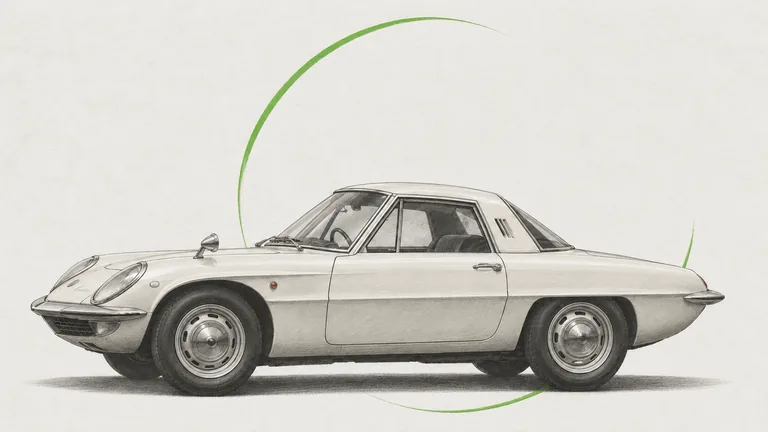
Mazda Cosmo Sport was a major step in developing the production twin-rotor engine. Its story is not a promise of perfect technology, but years of work on seals, durability and refining an unusual design.
The original Alfa Romeo 33 Stradale appeared in 1967 as a road-going development of the racing Tipo 33. Its rarity reflects a very small production programme, and not every chassis became an identical road coupé.
The Miura became Lamborghini's first mid-engined car. Its transverse V12 enabled a compact, low design, while posing difficult challenges in packaging the engine and gearbox.
The Ford GT40's 1966 Le Mans victory was about more than a powerful engine. The project required changes to how work was organised, extensive testing and solutions to braking and transmission problems.
The Porsche 911 debuted as the 901 in 1963 and gained its familiar name as production began in 1964. Its story goes beyond renaming: it is an example of the long development of one recognisable concept.
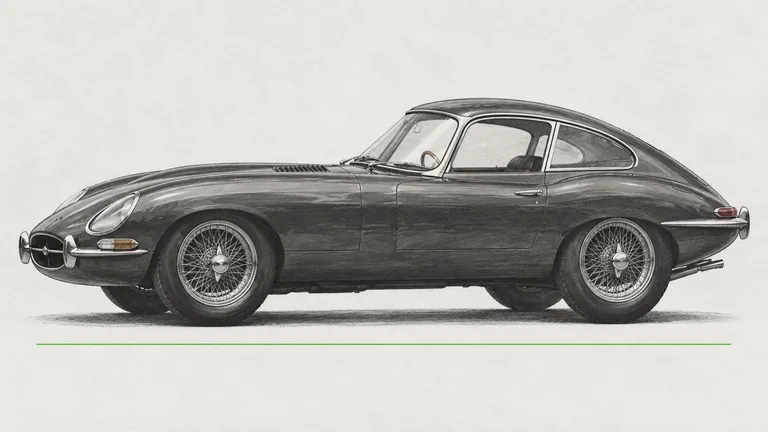
The Jaguar E-type is more than a famous 1960s silhouette. Its shape and engineering are linked to the marque's racing experience, while its debut shows how a road demonstration can amplify a show car's impact.
The original Mini showed how strongly layout affects usable space. Its transverse engine and front-wheel drive helped create a compact car whose significance far exceeded its external dimensions.
The Citroën DS became a striking example of a car whose shape and technical concept both broke with convention. Its hydropneumatic suspension made comfort a full engineering discipline, rather than just a matter of soft seats.
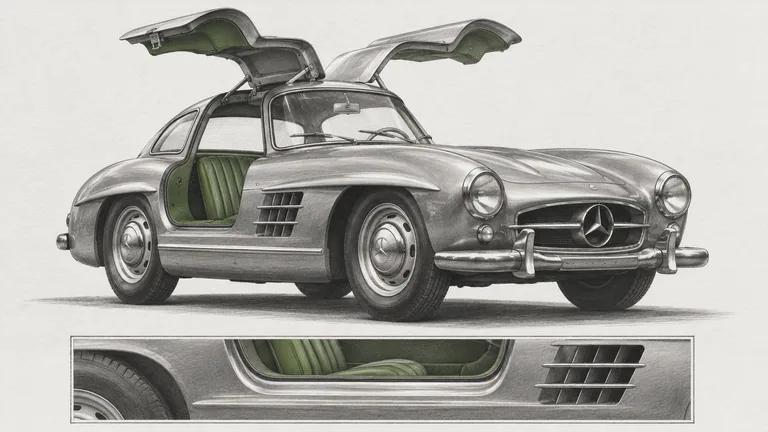
The Mercedes-Benz 300 SL’s gullwing doors relate to the high sides of its spaceframe. The famous shape arose from a structural challenge before becoming one of motoring’s most recognisable images.
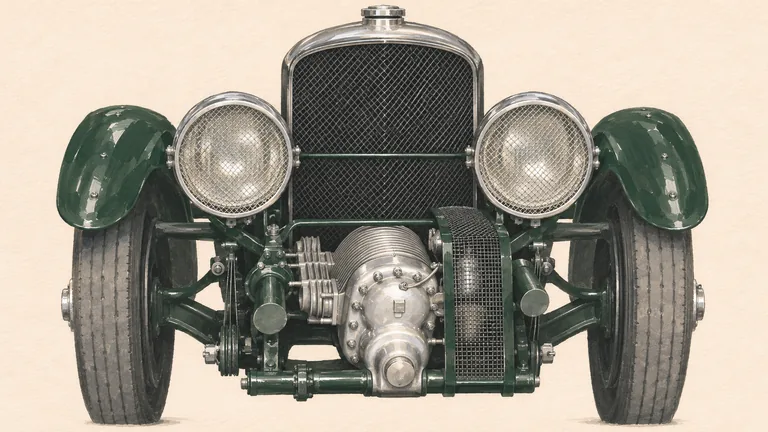
The Bentley Blower was a bold supercharged development of the 4½ Litre. Its story is a debate between engineering approaches, not simply a string of wins: the famous Blower must not be confused with the Bentley that won Le Mans in 1929 and 1930.
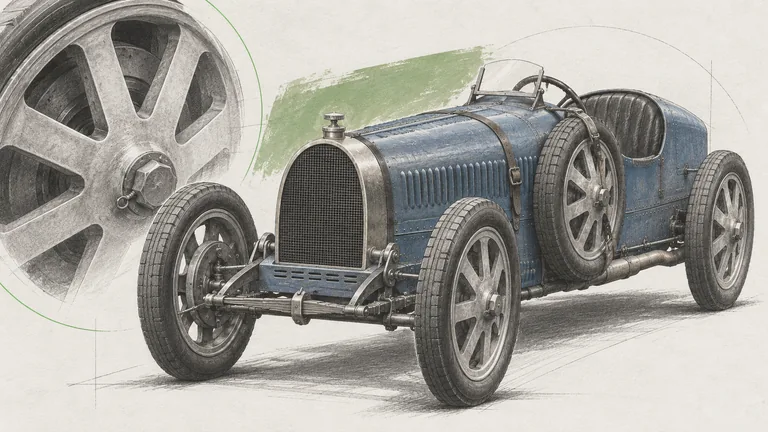
The Bugatti Type 35 combined a recognisable shape with serious racing development. Its historical value lies in the coherent design and the family’s racing career, not just a beautiful blue body.
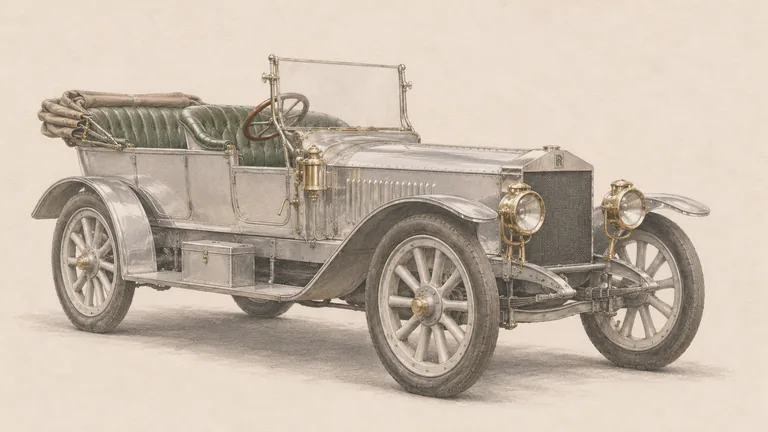
Silver Ghost was originally the name of one Rolls-Royce 40/50 HP. Its reputation came from more than appearance: testing, demonstrations of endurance and engineering quality played important roles.
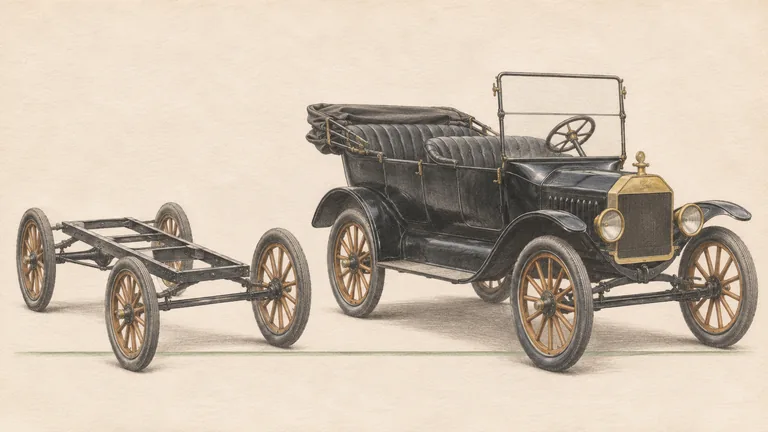
The Ford Model T matters as more than an early twentieth-century mass-market car. Its history shows how organising production can transform affordability more than a single technical innovation.
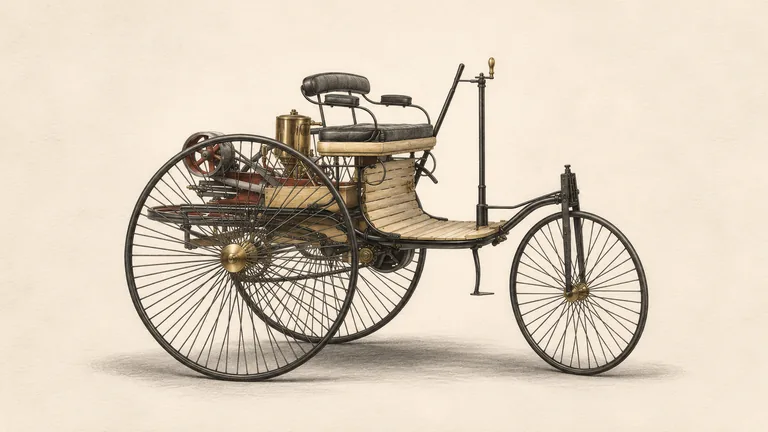
The Benz Patent-Motorwagen is a key starting point in petrol-car history. Its importance goes beyond the 1886 patent: it showed that engine and chassis could be designed as a vehicle in their own right, rather than a modified carriage.