KULT Drive · Updated
Flood-damaged cars: how to recognise the risk before buying
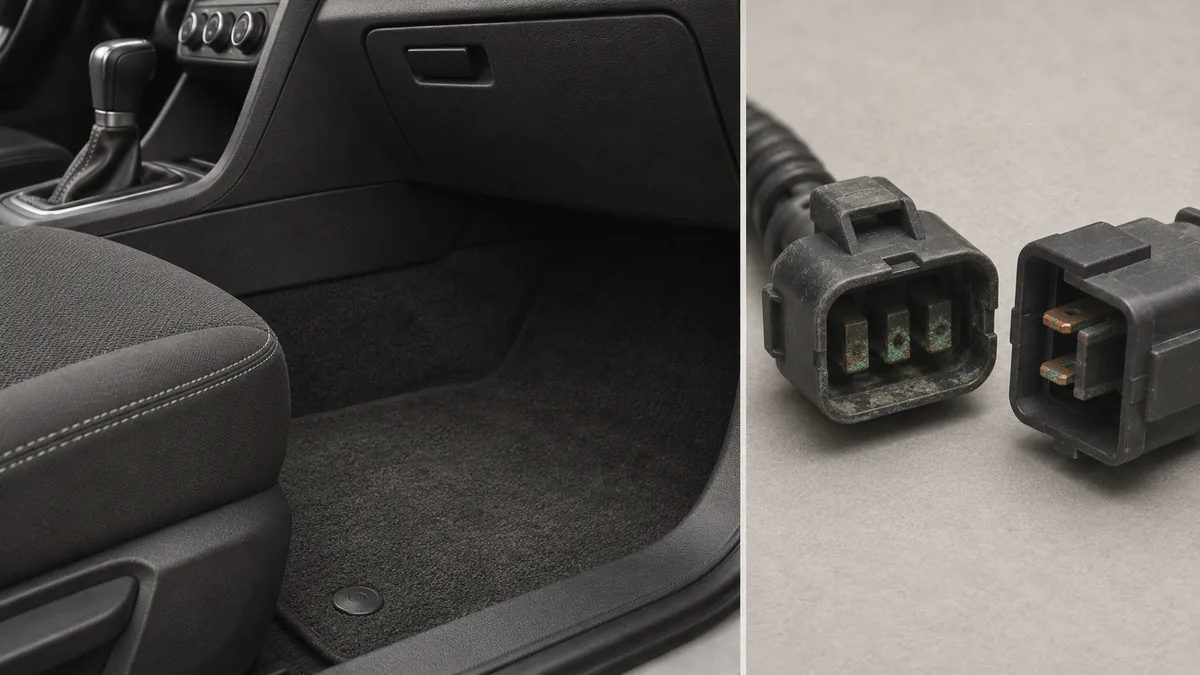
Assess flood risk through the combined evidence of history, signs of water and technical measurements. The absence of smells, dashboard warnings or report entries does not prove that a car has never been submerged.
Why a clean interior does not settle the question
Cosmetic preparation can make a car attractive without repairing damage to connectors and electronic modules. NHTSA warns that water-related problems may emerge later and the damage history may not be obvious to a new buyer. An inspection for flood damage therefore involves more than checking one “secret” component. NHTSA recommendations.
Ask the seller to state in writing whether the car has been in water, which insurance claims were made and what was repaired. The answer is useful as part of the transaction records, but does not replace an inspection. Pay particular attention to how the sale date, the car’s previous locations and missing documents for a particular period fit together.
What a specialist should inspect
The inspection should include accessible areas beneath the carpeting, seat mountings, the boot, electronic-module locations and connectors. Look beyond rust for an inconsistent picture: new materials next to old ones, sediment in protected cavities or unusual replacement of several modules at once. Do not dismantle safety systems or high-voltage components yourself.
Next, test the equipment and diagnose the systems using a suitable tool. Fault codes must be interpreted alongside the physical condition: clearing codes does not remove the cause of a fault, but a single fault code does not prove flooding either. Agree on the extent of dismantling in advance so that an independent inspection does not become damage to someone else’s car.
History and technical inspection complement each other
For US imports, check available insurance and title records, including flood and salvage brands. NMVTIS reveals part of the history, but the service itself warns of its limitations. Do not treat a “clean” document from another jurisdiction as a universal guarantee. Understanding an NMVTIS report.
Keep photographs and the specialist’s findings. “No signs were found within the scope of the inspection performed” is more honest than a promise of complete certainty that the car has never been in water, without fully dismantling it.
When to walk away
For a buyer without their own restoration project, it is sensible to stop if the seller conceals the history, refuses an inspection or cannot explain numerous electronic-component replacements. Compare the discount not just with the visible repair estimate, but also with uncertainty about further repairs, insurance and resale.
An electric car that has been submerged requires a separate safety approach. Do not start charging or try to open the battery of a damaged vehicle yourself: follow the manufacturer’s guidance and qualified specialists’ instructions. EV safety.
The practical aim is not to guess the past from one clue, but to establish whether there is enough evidence for a safe purchase.
Questions and answers
Can I buy a restored flood-damaged car?
Assess such a purchase as a separate project with documented restoration and greater uncertainty. For ordinary daily use, an unclear history of water exposure is a serious reason to walk away.
Is a diagnostic scan enough?
No. Combine it with documents, a physical inspection and checks that the systems operate correctly.
Next step
Discuss finding and inspecting a car that fits your budget and needs with KULT Strada.