KULT Drive · Updated
Selling a car in Dubai: price, finance, buyer checks and handover
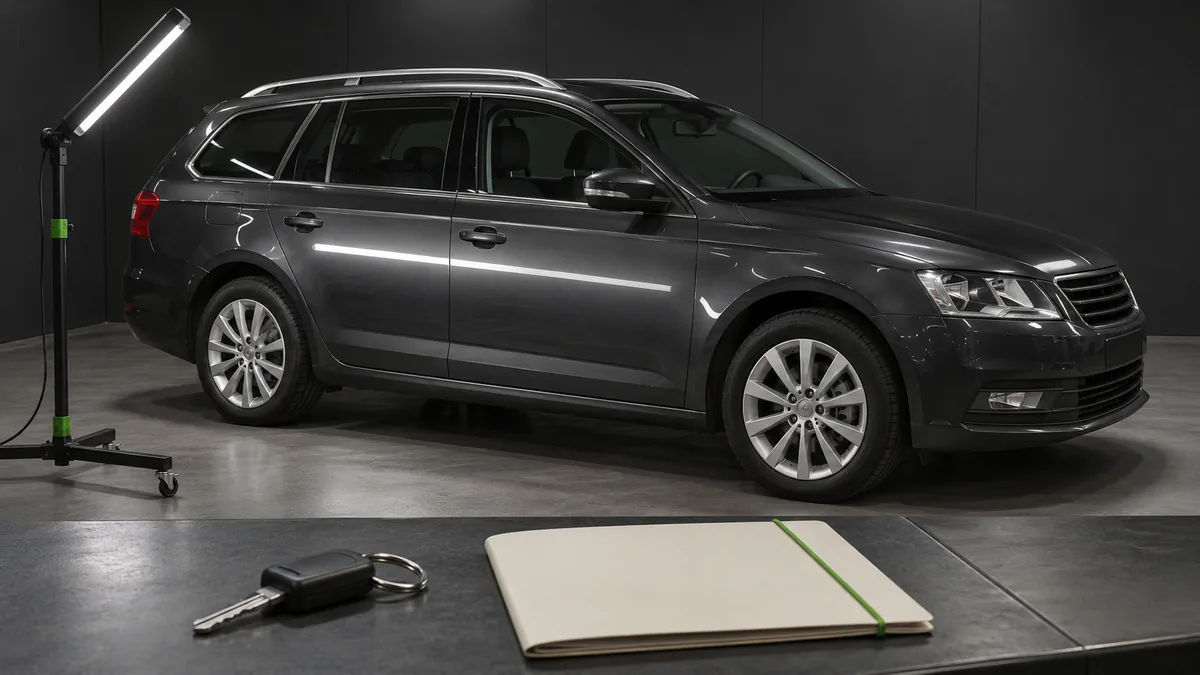
Prepare the documents and car first, then choose between a private sale, a direct dealer purchase and trade-in. Compare net proceeds, timing and seller obligations, and coordinate payment with the official ownership transfer.
Prepare a description that can be verified
Collect registration and service records, repair details, warranty status and information on included equipment. State the actual specifications and known condition in the advertisement. Do not call a car “accident-free” when you have only an incomplete database or the previous owner’s account.
It helps to fix minor, understood faults and prepare the car neatly, but not to conceal defects cosmetically. Documented condition makes negotiations easier and reduces the likelihood of a dispute after handover.
An asking price is not a transaction price
Compare cars of the same generation, engine and market in comparable condition. Account for mileage, history, equipment and warranty. Do not select the highest similar listing as proof of your own car’s value.
Instead of one number, set a range and conditions: your desired price without time pressure, the minimum acceptable amount and the price of a quick sale. This is your decision, not a valuer’s promise of a guaranteed buyer.
Private sales and trade-ins serve different needs
A private sale may require more time for viewings, buyer checks and paperwork. Trade-in or a professional buyer may simplify the process, but assess the offer as a whole, especially if it is tied to a discount on the next car.
Official dealers such as Toyota UAE offer valuation and trade-in. Check the particular programme’s terms separately; an advertised valuation is not a final price without inspection. Toyota valuation and trade-in.
Resolve the finance process before looking for a buyer
If there is a bank finance lien, obtain the repayment and release procedure. Check processing time, fees and required confirmations. Do not promise immediate transfer before understanding the actual process.
Agree on secure payment and what happens if banking operations are delayed. Do not release the car solely on a payment screenshot or an unverified message saying funds have arrived.
Complete the whole handover
RTA describes the official change-of-ownership procedure. Once complete, keep the confirmation and handover record showing mileage, keys and condition. Ownership transfer.
Then remove personal data from the infotainment system, transfer or end connected services, and update Salik, DARB and insurance arrangements under each organisation’s rules. Do not retain remote access to a car that now belongs to someone else.
A sale ends when documentary and digital connections are closed, not when the car disappears from the parking space. This final stage often prevents unnecessary charges and awkward calls months later.
Questions and answers
Is trade-in always worse than a private sale?
There is no universal answer. Compare net proceeds, linked discounts, timing, expenses and convenience.
Can I sell a financed car?
You must follow the process agreed with the bank and remove obstacles to transferring ownership. A verbal agreement between the parties should not replace it.
Next step
Discuss support with servicing, paperwork and everyday car use with KULT Corsa.