KULT Drive · Updated
Tyres in the UAE: size, pressure, age and the real cost of a set
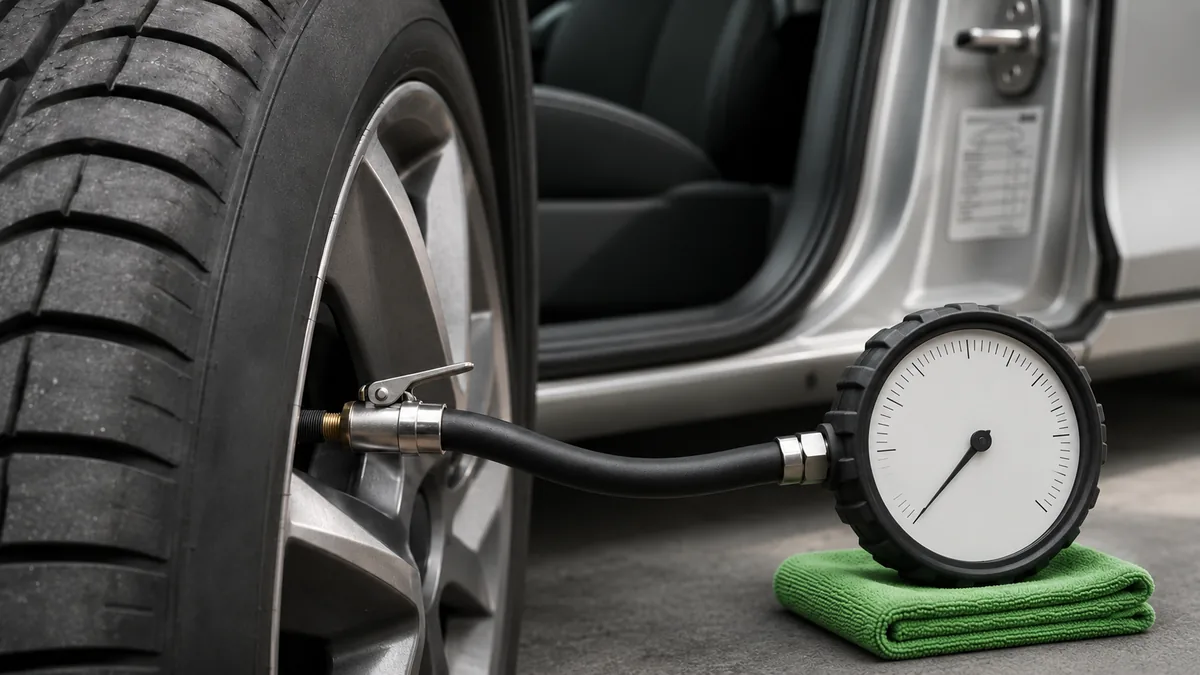
Choose tyres by approved size, load and speed ratings, condition and vehicle requirements. Use the car maker’s pressure figures and specified checking conditions, rather than treating the maximum on the sidewall as the working pressure.
Size is only the start
Check front and rear sizes, ratings, construction type and the requirements for the exact vehicle specification. Some cars have different wheel widths front and rear; others have additional factory requirements. Do not choose a replacement by wheel diameter alone.
Clarify what the seller’s offer includes: brand, model, size, specifications, manufacturing date and origin. A shared brand name does not make different product lines identical in performance or intended use.
Check pressure correctly
Michelin recommends using the vehicle manufacturer’s values and measuring cold-tyre pressure under suitable conditions. Pressure changes after driving; do not release air from a warm tyre to reach the “cold” figure. Michelin guidance.
Check the fully loaded setting where one is specified. TPMS helps detect a deviation, but does not replace inspection and correct measurement. After servicing, carry out any setup or relearning procedure required for the model.
Consider age and appearance together
The manufacturing date is useful, but does not by itself describe storage conditions, previous loads or damage. Inspect the sidewalls, tread and areas near the bead. If there are cracks, pressure loss or impact marks, consult a specialist rather than judging safety only by remaining tread depth. A sidewall bulge requires you to stop normal use: pull over safely and arrange a wheel change or assistance. Sidewall damage: Michelin.
This article does not set a universal expiry age or legal limit for every vehicle: check current local requirements and manufacturer recommendations separately. Be especially cautious with used tyres of unknown history.
Compare the price of a fitted set
Check whether fitting, balancing, valves or sensor servicing, disposal and tax are included. Discuss warranty terms separately. A low price for one tyre, excluding necessary work, may not be the best offer.
Uneven wear requires finding the cause. Alignment, suspension condition, pressure and use should be assessed together; simply fitting a new set is not enough if the cause remains.
Checks after fitting
Verify the rotation direction and outside face where marked, the correct sizes and the absence of warnings or vibration. The tightening sequence and fastener checks should follow the vehicle’s requirements and the workshop procedure.
Tyres are more than an expense. They contribute to handling and braking, so savings should begin by comparing suitable options, rather than disregarding technical requirements.
Questions and answers
Is the pressure on the sidewall recommended for my car?
Not necessarily. Use the vehicle manufacturer’s working pressures for the relevant load.
Must all four tyres be changed at once?
The decision depends on design, drivetrain, manufacturer requirements and the condition of the set. For some systems, keeping wheel-circumference differences within the specified tolerance is particularly important.
Next step
Discuss support with servicing, paperwork and everyday car use with KULT Corsa.