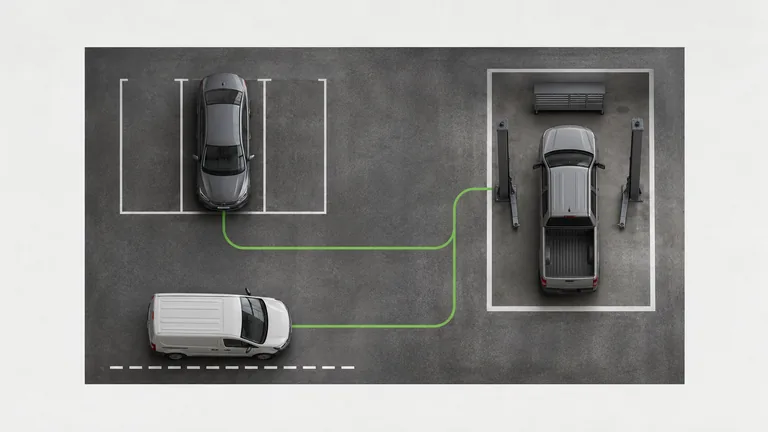
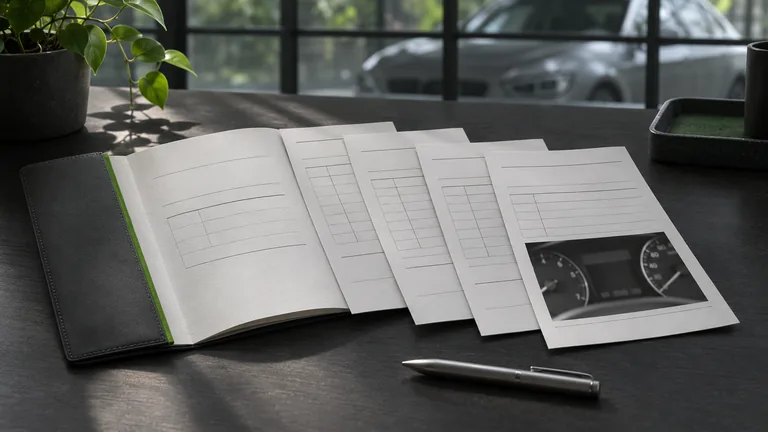
Fleet economics depend on utilisation, depreciation, fuel, paperwork and downtime as well as workshop invoices. Start with one reliable vehicle register and comparable measures for each type of work.
Prepare the documents and car first, then choose between a private sale, a direct dealer purchase and trade-in. Compare net proceeds, timing and seller obligations, and coordinate payment with the official ownership transfer.
Warranty cover depends on more than age and mileage: manufacturer terms, original market, history and service territory also matter. Confirm local support for an imported car in writing by VIN before buying.
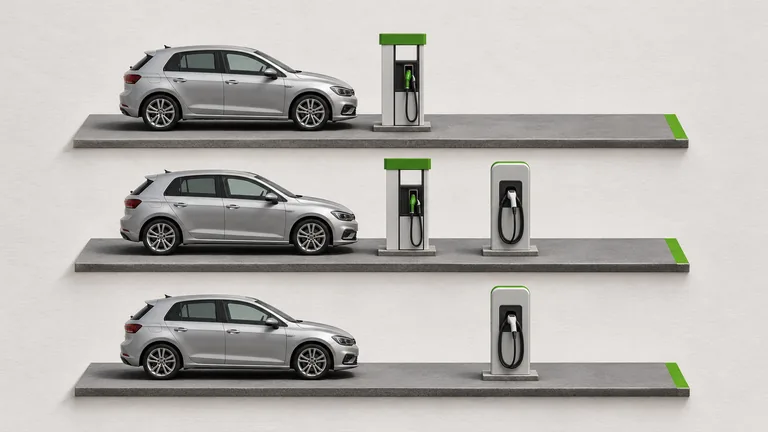
Start with your routes and charging access. A conventional hybrid, a PHEV and a fully electric car suit different uses; grouping them as “electrified” vehicles is not helpful when calculating costs.
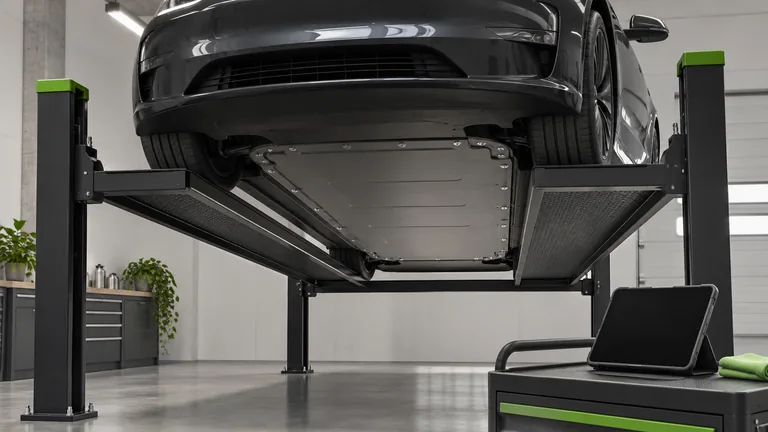
Do not assess a used EV solely by the range on its screen. Check the car’s history, battery and system diagnostics, charging, warranty terms and transfer of digital access to the new owner.
Work affecting camera or radar position, or vehicle geometry, may require ADAS calibration. The specific vehicle manufacturer determines whether it is needed and how it is done; an absence of dashboard warnings does not prove the procedure was completed.
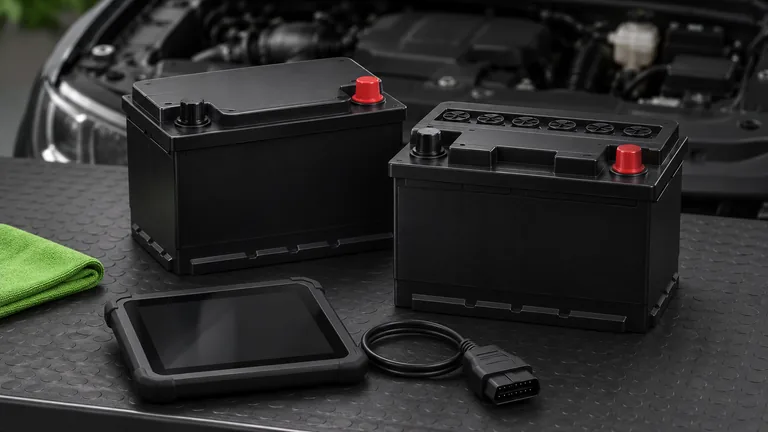
Before replacing a battery, confirm the cause of the fault and select the right type and specifications. Some cars require the new battery to be registered with their management system; this is not a universal procedure for every vehicle.
Choose tyres by approved size, load and speed ratings, condition and vehicle requirements. Use the car maker’s pressure figures and specified checking conditions, rather than treating the maximum on the sidewall as the working pressure.
In a hot climate, oil that meets factory specifications and a working cooling system matter. Higher viscosity, a random coolant or routinely topping up with water is not a universal solution for every car.
Put safety first and call for emergency help if anyone is injured or there is a threat. Then follow police and insurer instructions, record the circumstances and avoid unapproved repairs that could affect the claim process.
Drivers must follow the posted speed limit and road conditions. An assumed camera-trigger threshold is not permission to speed, and enforcement arrangements differ between emirates and road sections.
Parking payment applies to a specific zone, number plate and period. A subscription, free Sunday or overnight parking permit does not automatically cover private facilities, multi-storey car parks or every city zone.
For an EV built for China’s domestic market, check charging compatibility, the app, updates, warranty and servicing by VIN. A similar appearance to an official UAE model does not mean identical digital and technical capabilities.
A Japanese auction sheet describes a car at a particular sale, not its condition for life. Verify its origin, lot number, date and vehicle identifier, then compare it with a current inspection.
For a car from Korea, check insurance history, the mileage timeline, previous use and actual equipment. A Korean report is useful, but does not record every repair or replace an independent inspection.
American specification alone says nothing about a car’s condition. Base your decision on its origin documents, previous damage, repair quality, local registration and verified support for the vehicle.
Assess flood risk through the combined evidence of history, signs of water and technical measurements. The absence of smells, dashboard warnings or report entries does not prove that a car has never been submerged.
A VIN connects a car to its documents and available history, but no single report covers every country and repair. Use sources from the original market, local documents and an independent condition inspection.
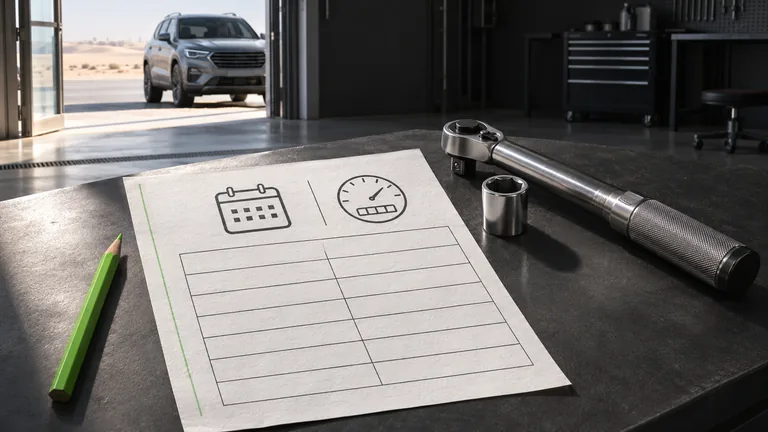
The right service plan depends on the exact model’s manual, elapsed time, mileage and driving conditions. One interval cannot fit every car in the UAE: extra checks and shorter intervals should follow manufacturer requirements and actual use.
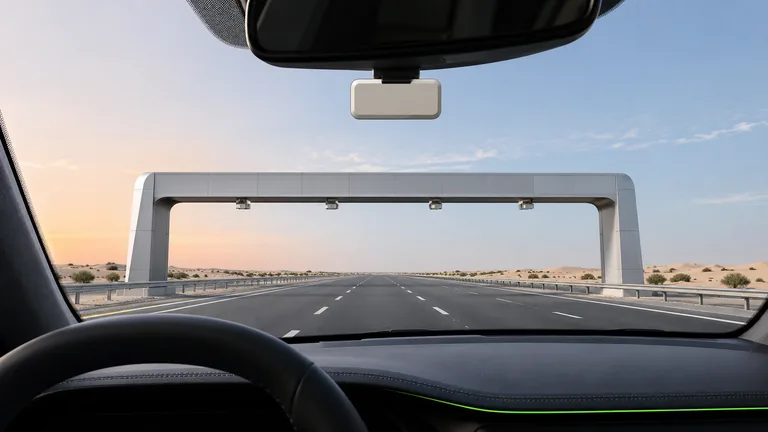
Check the rules for each DARB gate. Al Qurm and Ghantoot charge AED 4 around the clock, while the four earlier gates follow peak-hour schedules. “Everything is free at night and on Sundays” is not true across the whole system.
After buying, check that the car and Salik are registered to the correct user, contact details are current and the balance is monitored. Dubai uses variable pricing: the charge depends on the time and calendar, rather than always being one fixed amount.
After handover, check registration and insurance, set up toll accounts, remove the previous owner’s access and establish a maintenance baseline. Even a car in good condition needs to be set up for its new owner.
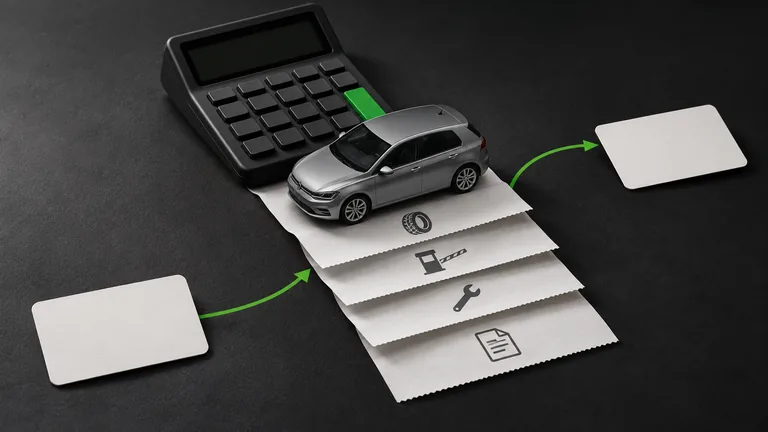
Total ownership cost includes depreciation, financing, paperwork, insurance, maintenance and use. A monthly payment shows cash flow, but it does not replace a full cost calculation.
A cheap policy may not provide the protection you need. Compare third-party liability, cover for your own car, the excess, repair rules, permitted drivers and vehicle use, rather than the premium alone.
A car transfer is completed through registration in the new owner’s name, not simply by signing a receipt. Before payment, agree on documents, removal of restrictions, insurance, any required test and how money and the car will change hands together.
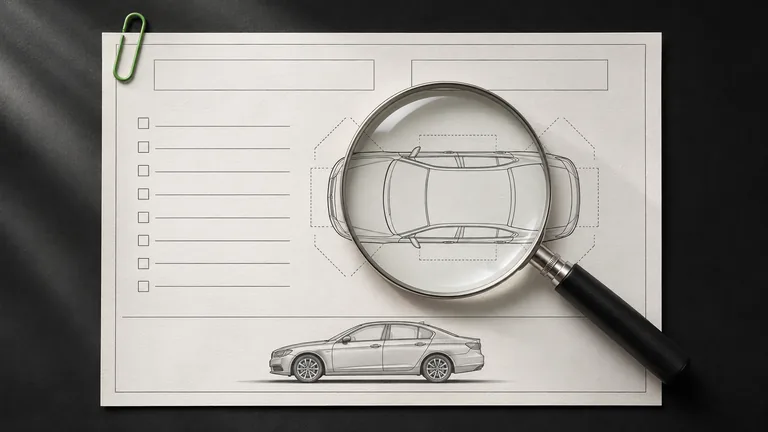
The RTA test supports registration and checks roadworthiness. A pre-purchase inspection helps a buyer assess condition, previous repairs and likely costs. Passing the RTA test is not a promise that the car will remain fault-free.
GCC describes a regional specification, not the country of manufacture or a guarantee of good condition. A non-GCC car comes from another market. Base your choice on the VIN, equipment, history, local support and total ownership cost.
Before the first Rent to Own payment, understand the total cost, what the payment covers, the terms of use and exactly how ownership will transfer. Advertising a “buyout” does not replace the contract’s terms.
Compare ways to get a car by total payments, included expenses, when ownership transfers and the terms for leaving the agreement. The same monthly payment can conceal very different obligations.
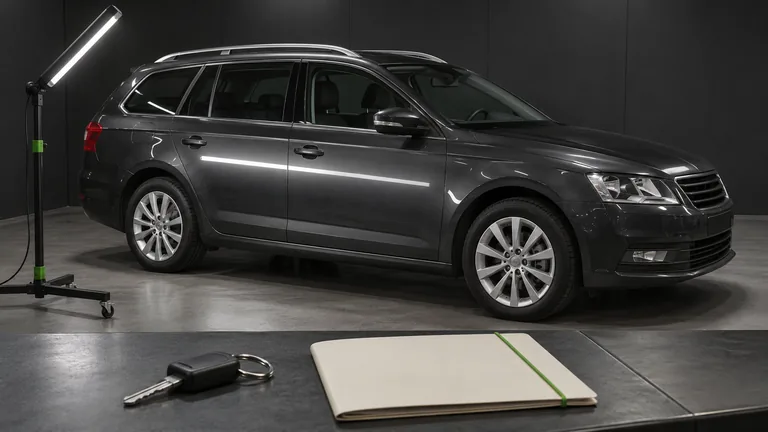
A safe purchase starts with checking the seller, the car’s history and its condition, before negotiating. Work out the full first-year cost, arrange an independent inspection and coordinate payment with the official transfer of ownership.