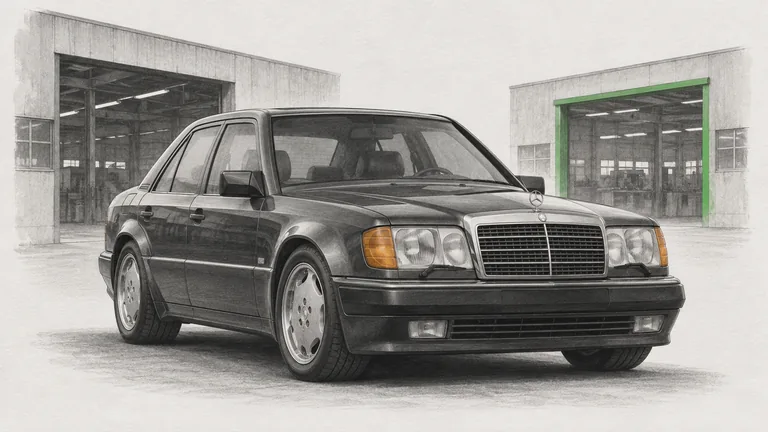
The Mercedes-Benz 500 E was developed with Porsche’s involvement under a Daimler-Benz commission. Combining the W124 body with a five-litre V8 required comprehensive engineering and a special production process, not just fitting an engine.
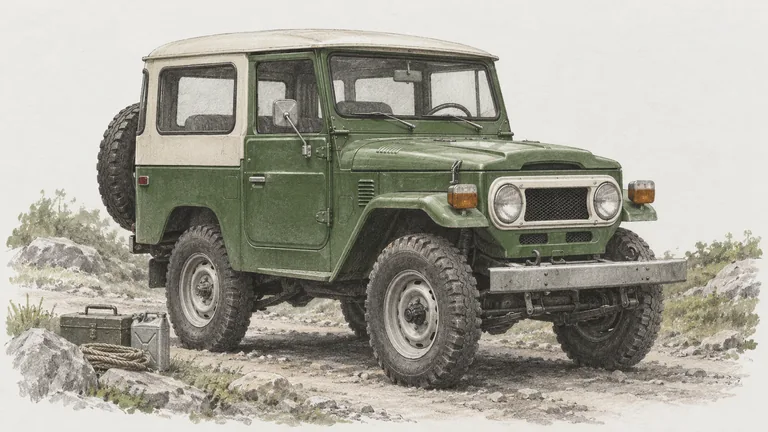
The Land Cruiser story begins with the Toyota BJ of 1951; the 40 series arrived in 1960. This is a family of working off-roaders with different bodies and engines, not one unchanging FJ40 for every market.
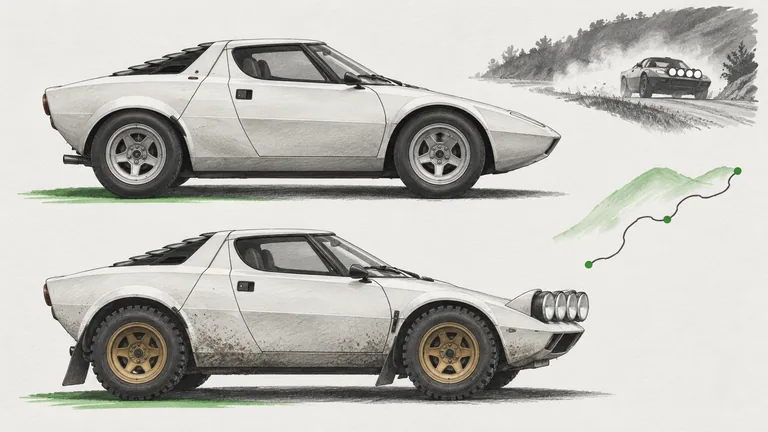
The Lancia Stratos became one of the clearest examples of a car developed around rallying. Its historic achievements include three consecutive World Rally Championship manufacturers’ titles, from 1974 to 1976.
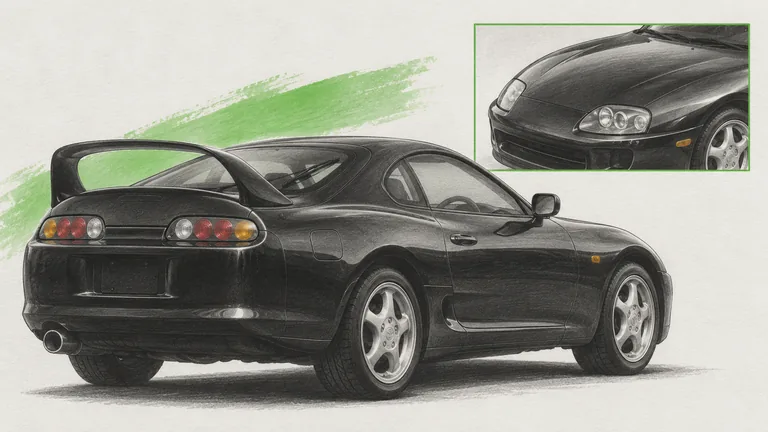
The Toyota Supra A80 arrived in 1993 in different versions, including the naturally aspirated 2JZ-GE and turbocharged 2JZ-GTE. The reputation of high-powered tuning projects does not mean every production car shared their engineering or performance.
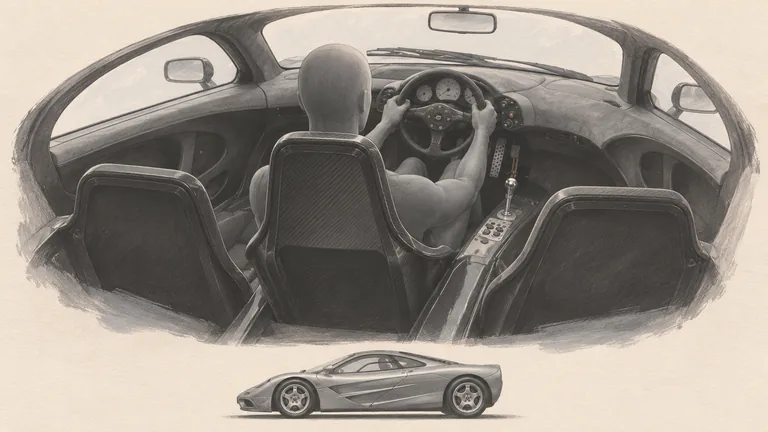
The McLaren F1 is known not only for speed but for its unusual layout: the driver sits centrally, with two passengers to either side and slightly behind. The road-car concept led to a racing version that won Le Mans in 1995.
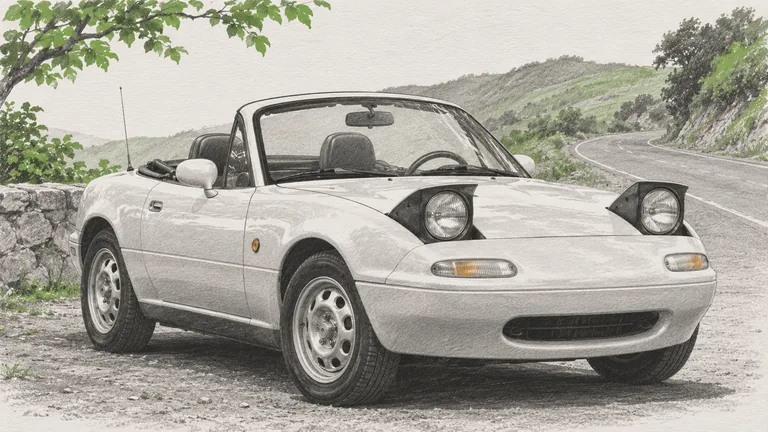
The Mazda MX-5 was developed around lightness and the connection between driver and car, not maximum power. The first car was shown in Chicago in February 1989. Mazda describes its concept as Jinba Ittai: horse and rider as one.
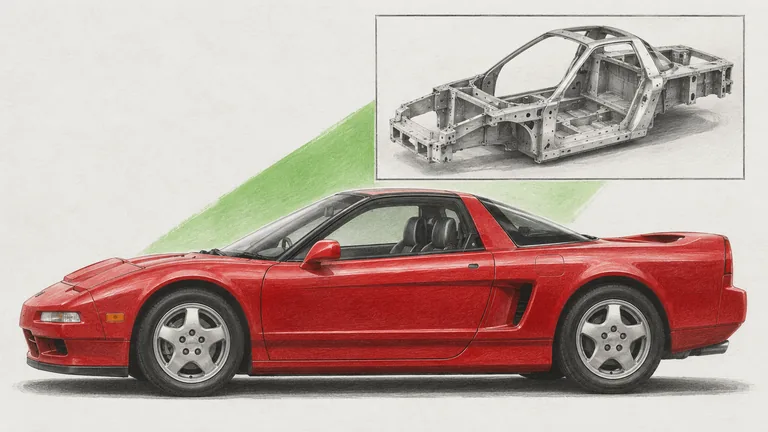
The first Honda NSX arrived in 1990 after years of development. It combined a mid-engine layout with aluminium construction. Ayrton Senna’s involvement was an important testing episode, but did not replace the work of the whole engineering team.
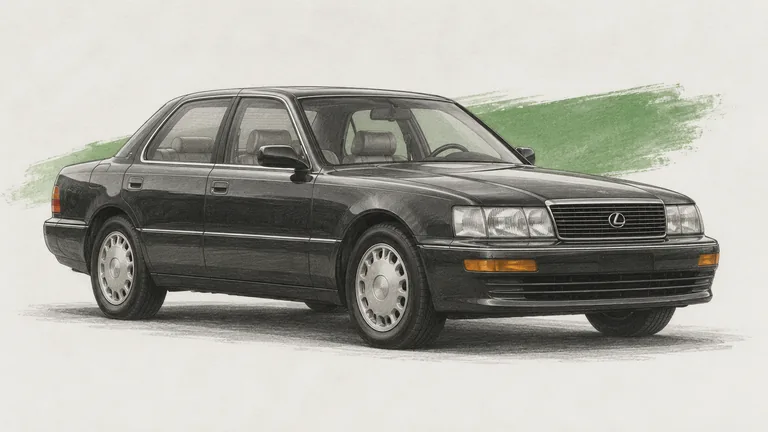
The Lexus LS 400 was the key car in Lexus’s 1989 launch. Toyota was creating not just a new large saloon, but a distinct offering for premium-car buyers, including sales organisation and quality control.
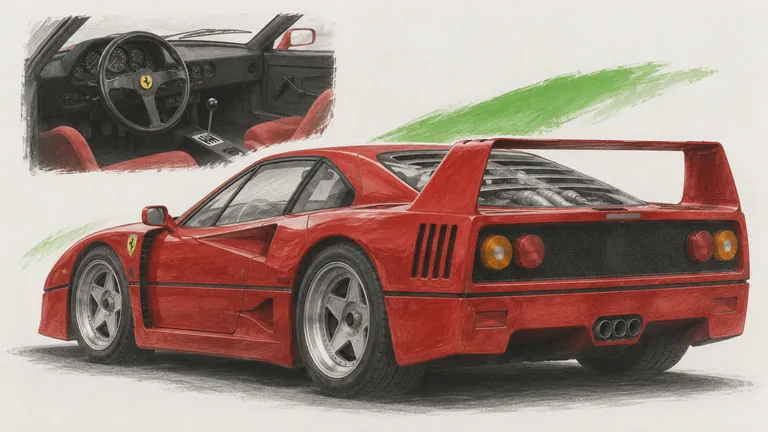
Ferrari introduced the F40 in 1987 for its fortieth anniversary. Its concept focused on a sporting objective and stripping away excess, rather than the conventional idea of luxury in an expensive road car.
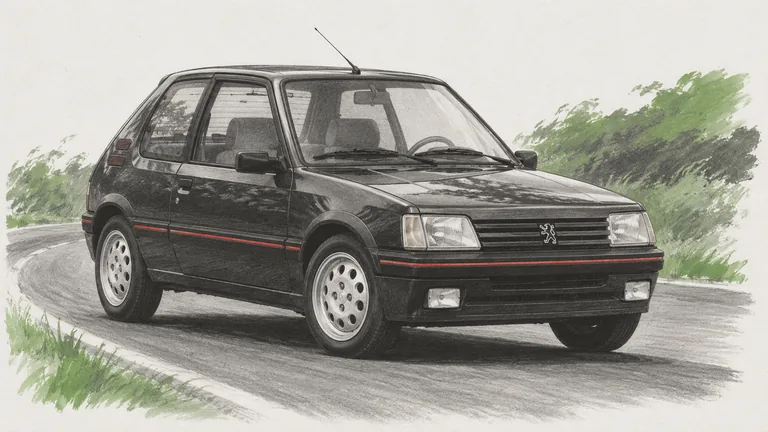
The Peugeot 205 GTi became a symbol of the lightweight sporting hatchback, where the experience comes from weight, dimensions and tuning rather than record power. It must not be confused with the technically separate 205 Turbo 16 rally car.
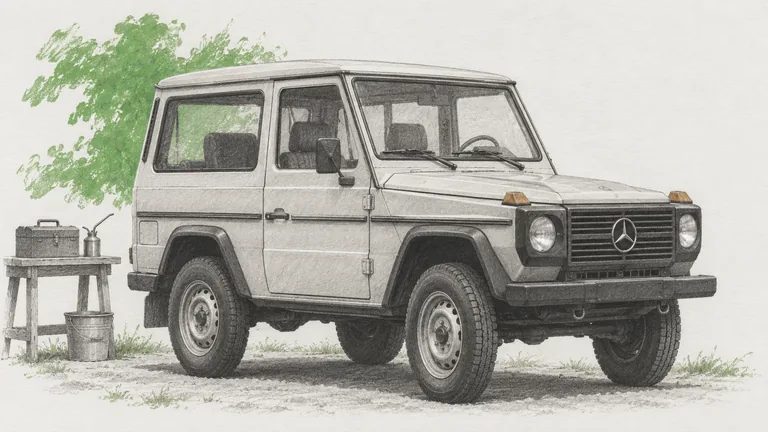
The Mercedes-Benz G arrived in 1979 as a versatile off-roader with extensive working capabilities. Its modern status developed over a long period; it was not the project’s sole original objective.
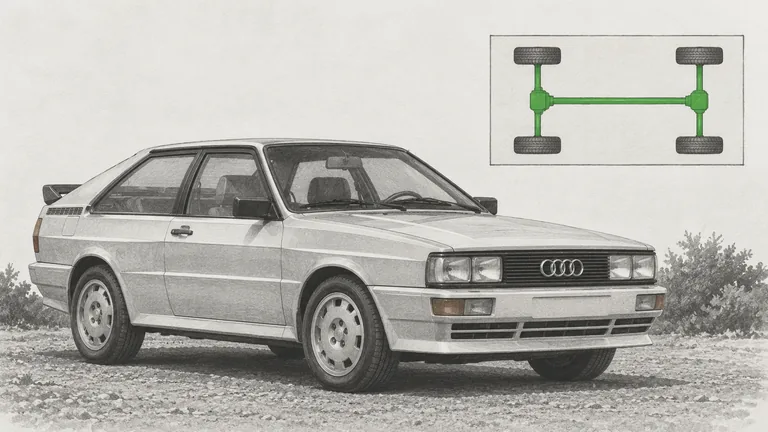
Audi quattro made all-wheel drive an important part of a high-performance road and rally car. Its significance lies not in inventing every 4×4 system, but in successfully applying the idea in a new sporting setting.
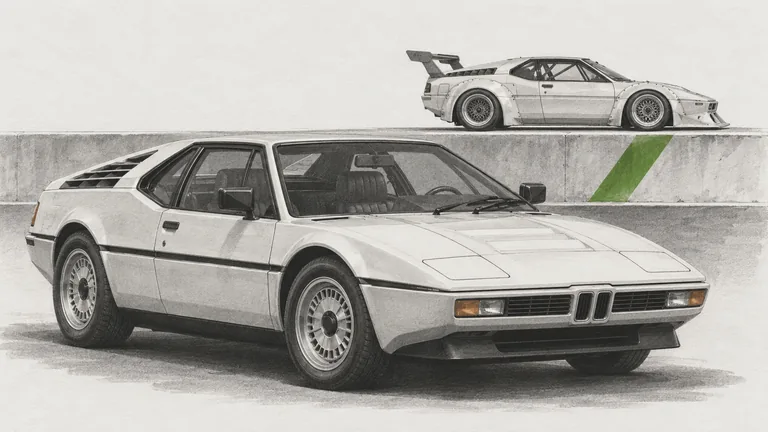
The BMW M1 debuted in 1978 as a mid-engined sports car. Difficulties preparing its racing programme led to the separate Procar series, where famous drivers and other racers competed in identical M1s.
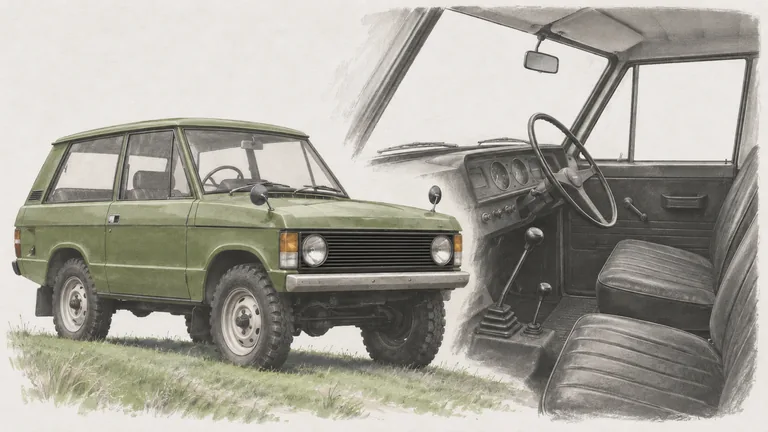
The first Range Rover combined off-road ability with comfort on road journeys. Launched in 1970 with two doors, it evolved gradually, so the image of the later luxury SUV cannot be applied fully to the early car.
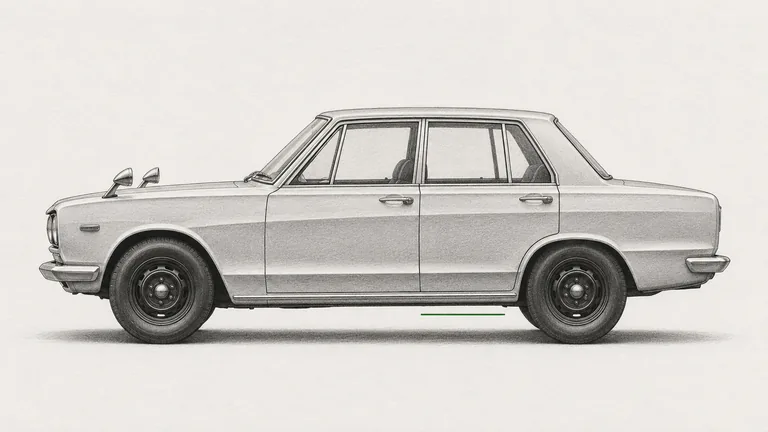
The first Skyline GT-R of 1969 was the four-door PGC10 saloon. The two-door KPGC10 followed later, while racing cars had their own preparation and should not be described using ordinary road-car specifications.
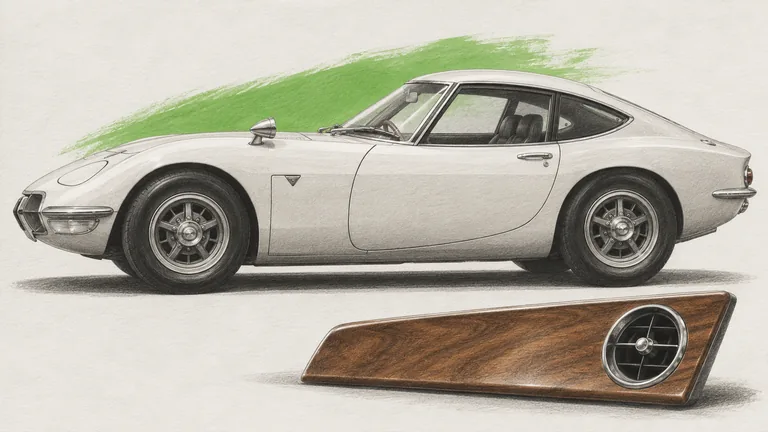
The Toyota 2000GT was conceived as a prestigious sporting GT to showcase Japanese automotive capability. Yamaha took part, while the famous open-top Bond film cars were special conversions, not a volume-production version.
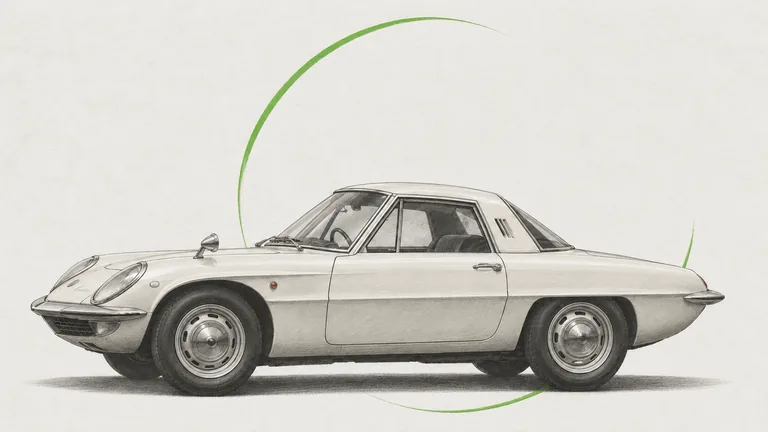
Mazda Cosmo Sport was a major step in developing the production twin-rotor engine. Its story is not a promise of perfect technology, but years of work on seals, durability and refining an unusual design.
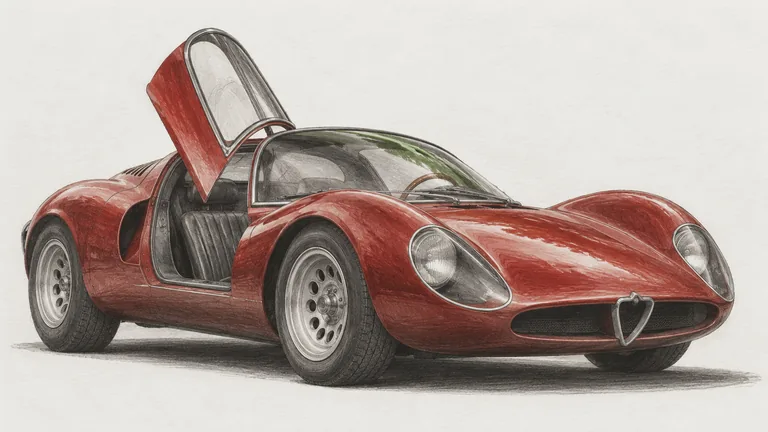
The original Alfa Romeo 33 Stradale appeared in 1967 as a road-going development of the racing Tipo 33. Its rarity reflects a very small production programme, and not every chassis became an identical road coupé.
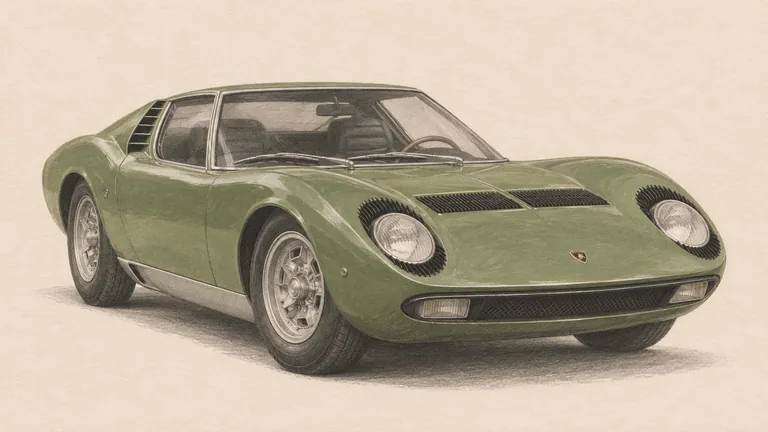
The Miura became Lamborghini's first mid-engined car. Its transverse V12 enabled a compact, low design, while posing difficult challenges in packaging the engine and gearbox.
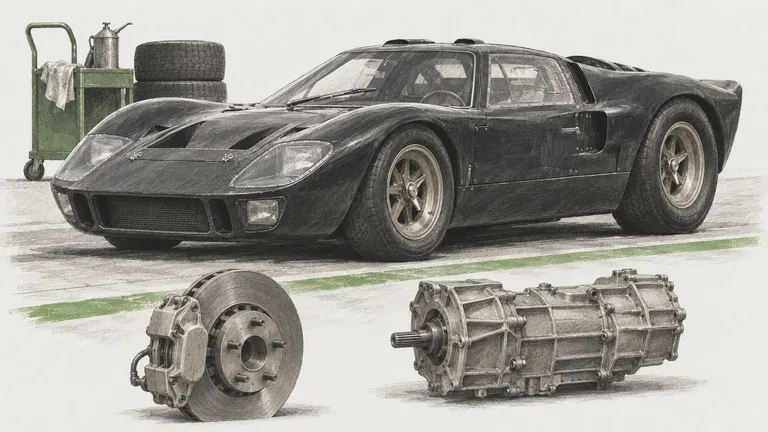
The Ford GT40's 1966 Le Mans victory was about more than a powerful engine. The project required changes to how work was organised, extensive testing and solutions to braking and transmission problems.
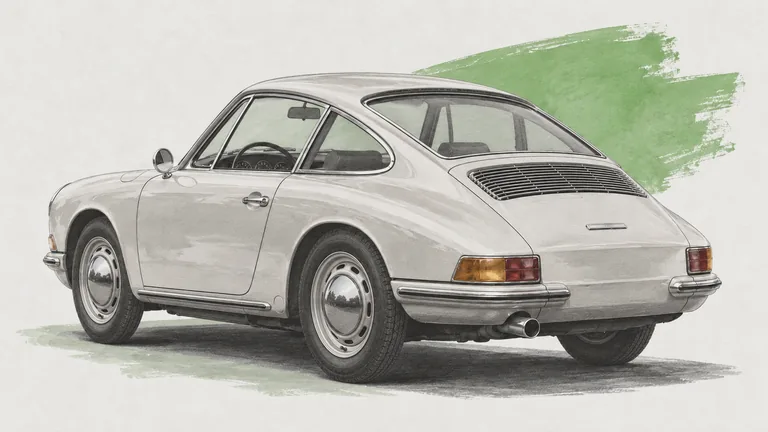
The Porsche 911 debuted as the 901 in 1963 and gained its familiar name as production began in 1964. Its story goes beyond renaming: it is an example of the long development of one recognisable concept.
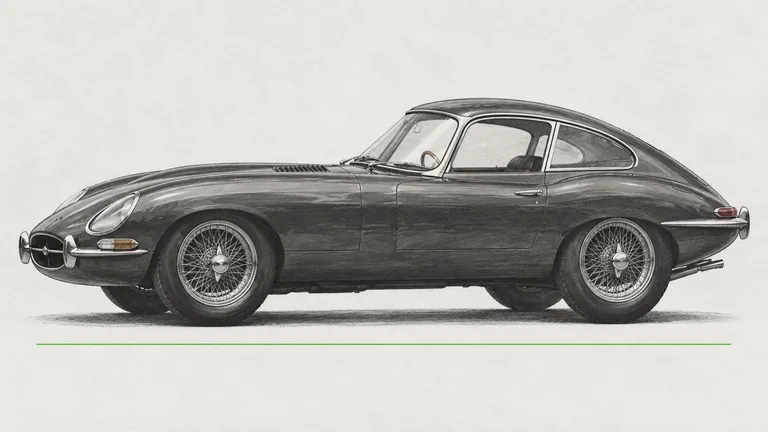
The Jaguar E-type is more than a famous 1960s silhouette. Its shape and engineering are linked to the marque's racing experience, while its debut shows how a road demonstration can amplify a show car's impact.
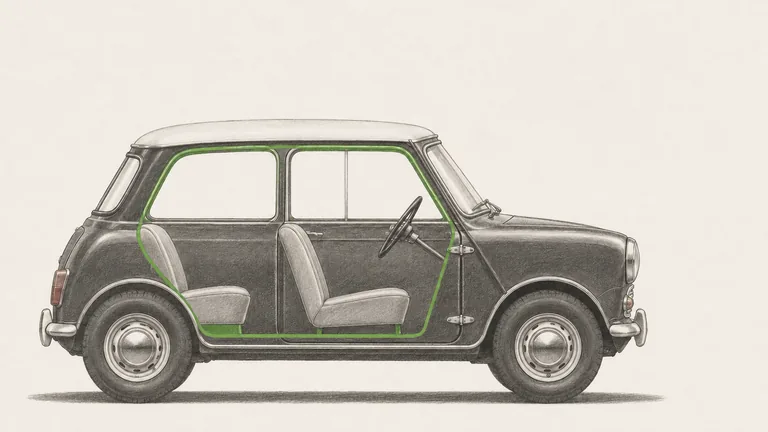
The original Mini showed how strongly layout affects usable space. Its transverse engine and front-wheel drive helped create a compact car whose significance far exceeded its external dimensions.
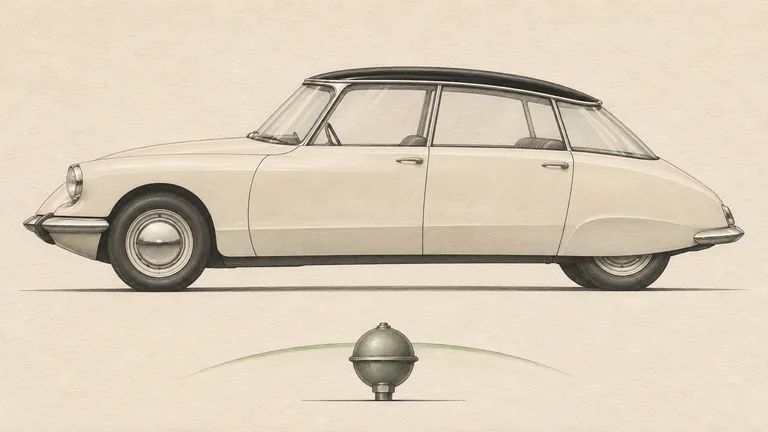
The Citroën DS became a striking example of a car whose shape and technical concept both broke with convention. Its hydropneumatic suspension made comfort a full engineering discipline, rather than just a matter of soft seats.
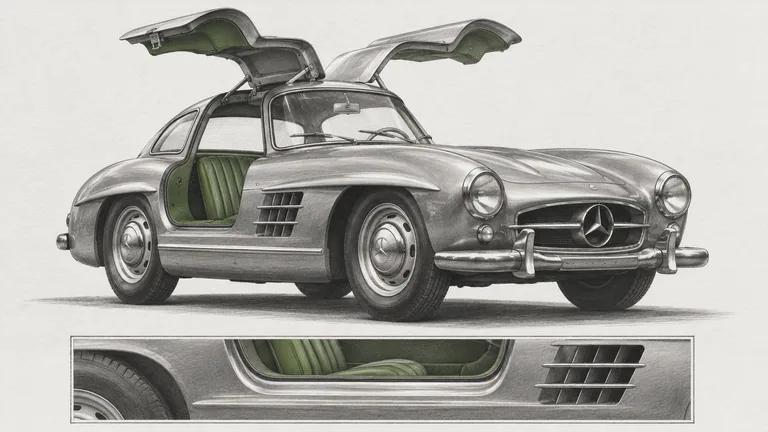
The Mercedes-Benz 300 SL’s gullwing doors relate to the high sides of its spaceframe. The famous shape arose from a structural challenge before becoming one of motoring’s most recognisable images.
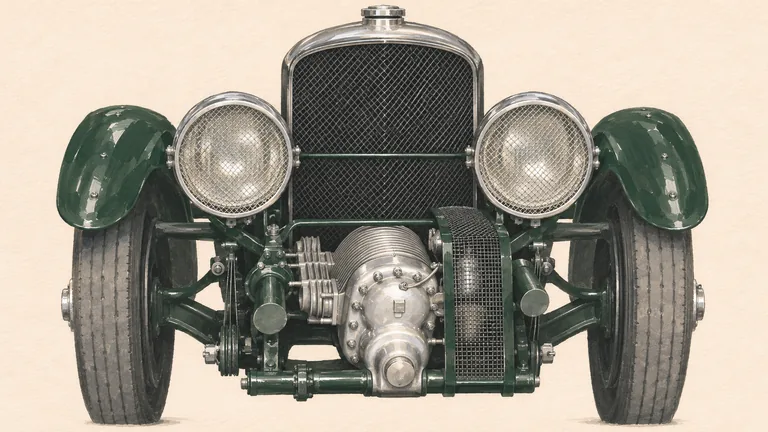
The Bentley Blower was a bold supercharged development of the 4½ Litre. Its story is a debate between engineering approaches, not simply a string of wins: the famous Blower must not be confused with the Bentley that won Le Mans in 1929 and 1930.
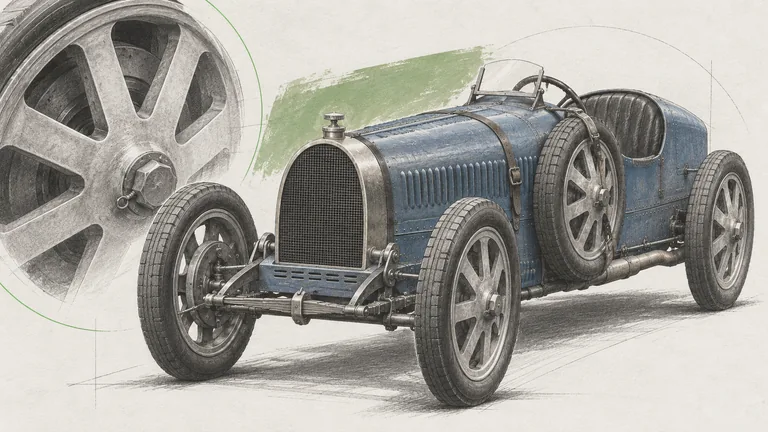
The Bugatti Type 35 combined a recognisable shape with serious racing development. Its historical value lies in the coherent design and the family’s racing career, not just a beautiful blue body.
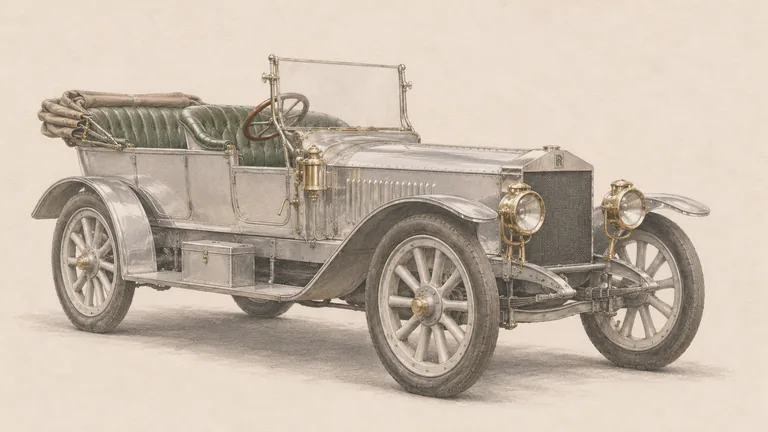
Silver Ghost was originally the name of one Rolls-Royce 40/50 HP. Its reputation came from more than appearance: testing, demonstrations of endurance and engineering quality played important roles.
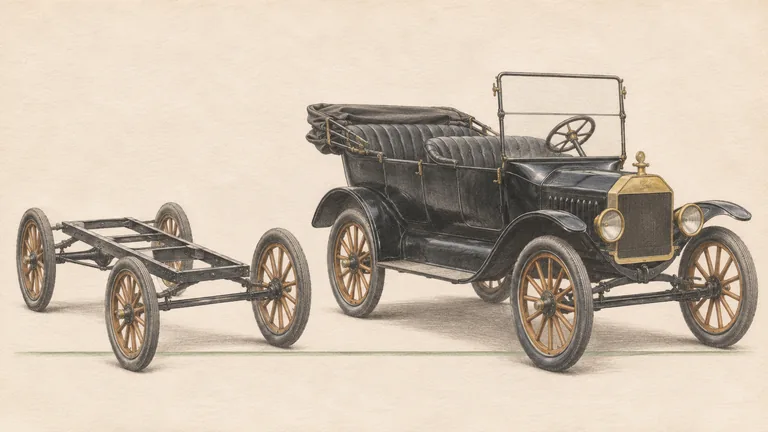
The Ford Model T matters as more than an early twentieth-century mass-market car. Its history shows how organising production can transform affordability more than a single technical innovation.
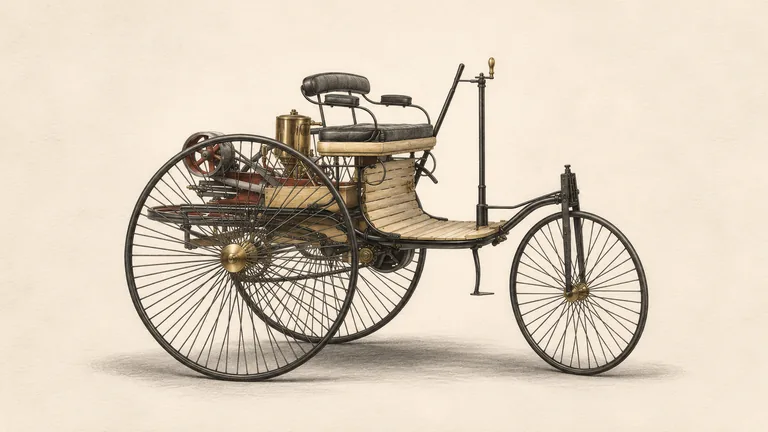
The Benz Patent-Motorwagen is a key starting point in petrol-car history. Its importance goes beyond the 1886 patent: it showed that engine and chassis could be designed as a vehicle in their own right, rather than a modified carriage.